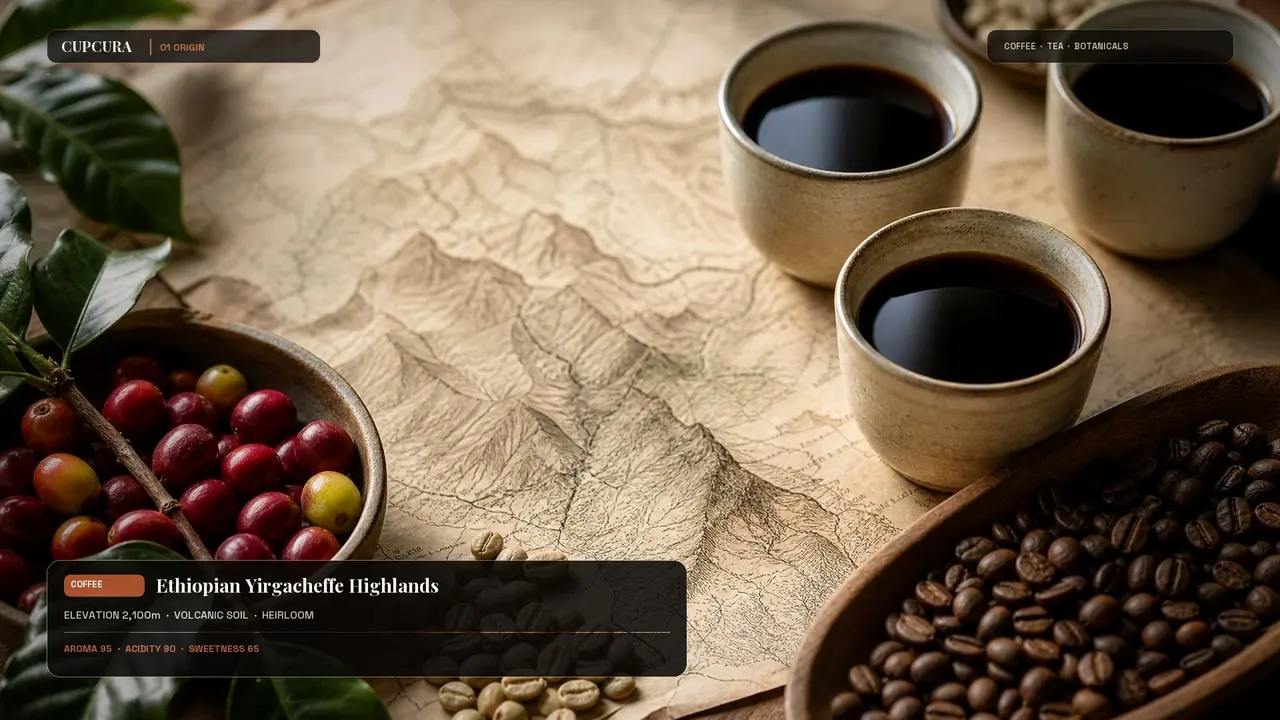
Coffee · Tea · Botanicals
Coffee, tea and botanicals,
measured the same way.
Independent tasting notes and brewing journalism. Every drink stated by dose, water temperature, extraction time, and a caffeine figure that says where it came from.

Editor’s picks
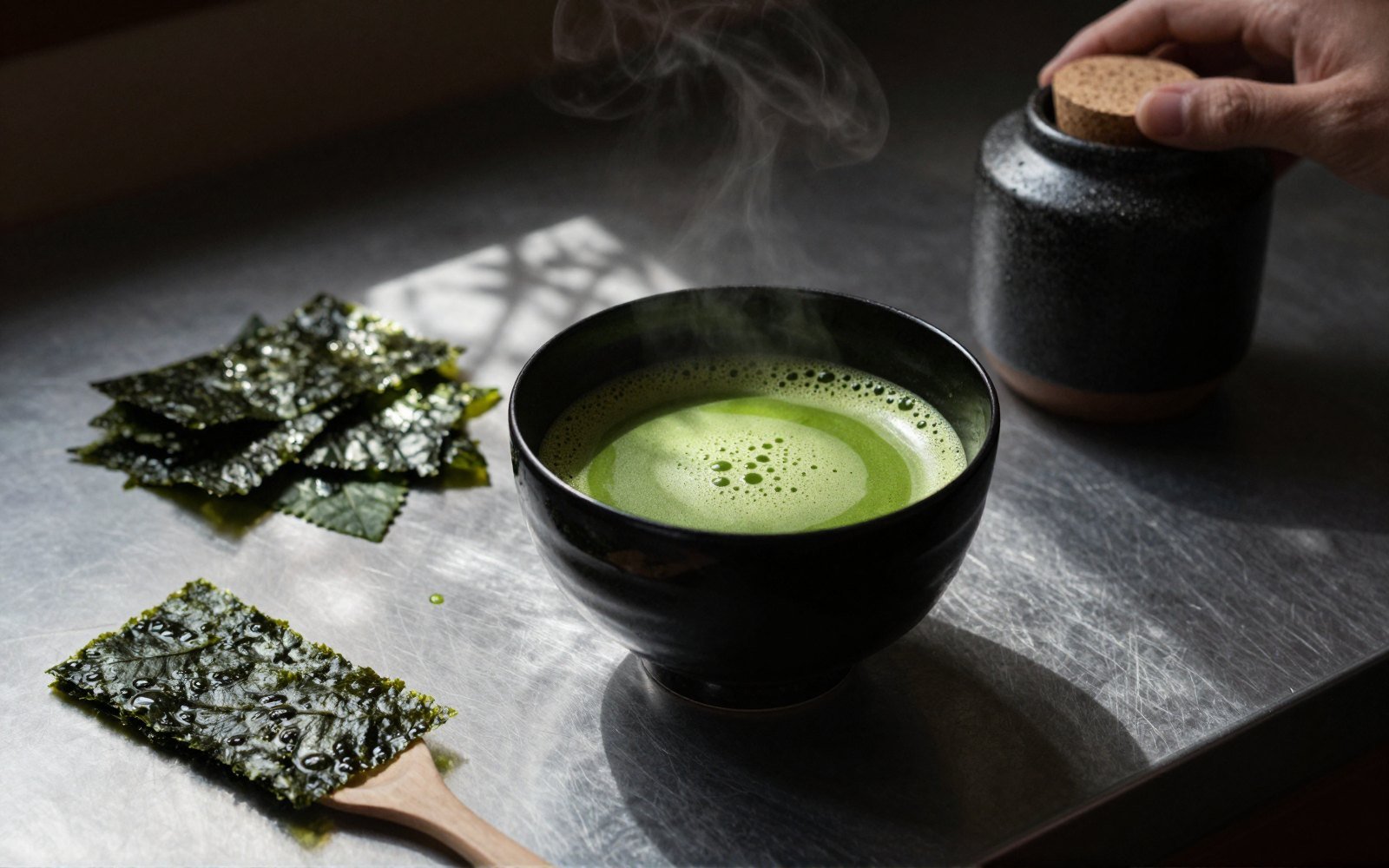 Green Tea & MatchaUji Ceremonial Grade Matcha
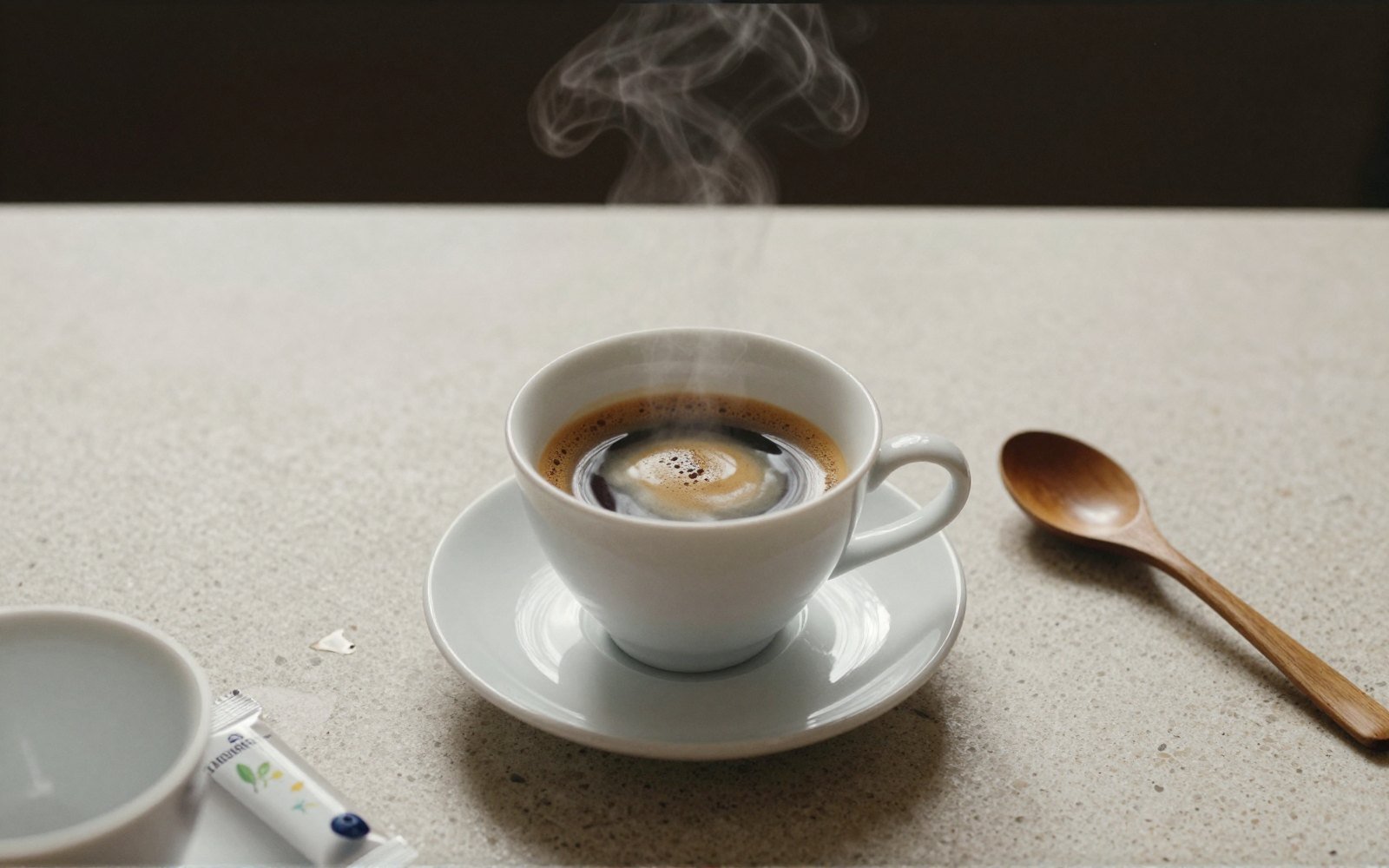 Specialty CoffeeSingle-Origin Ethiopian Espresso
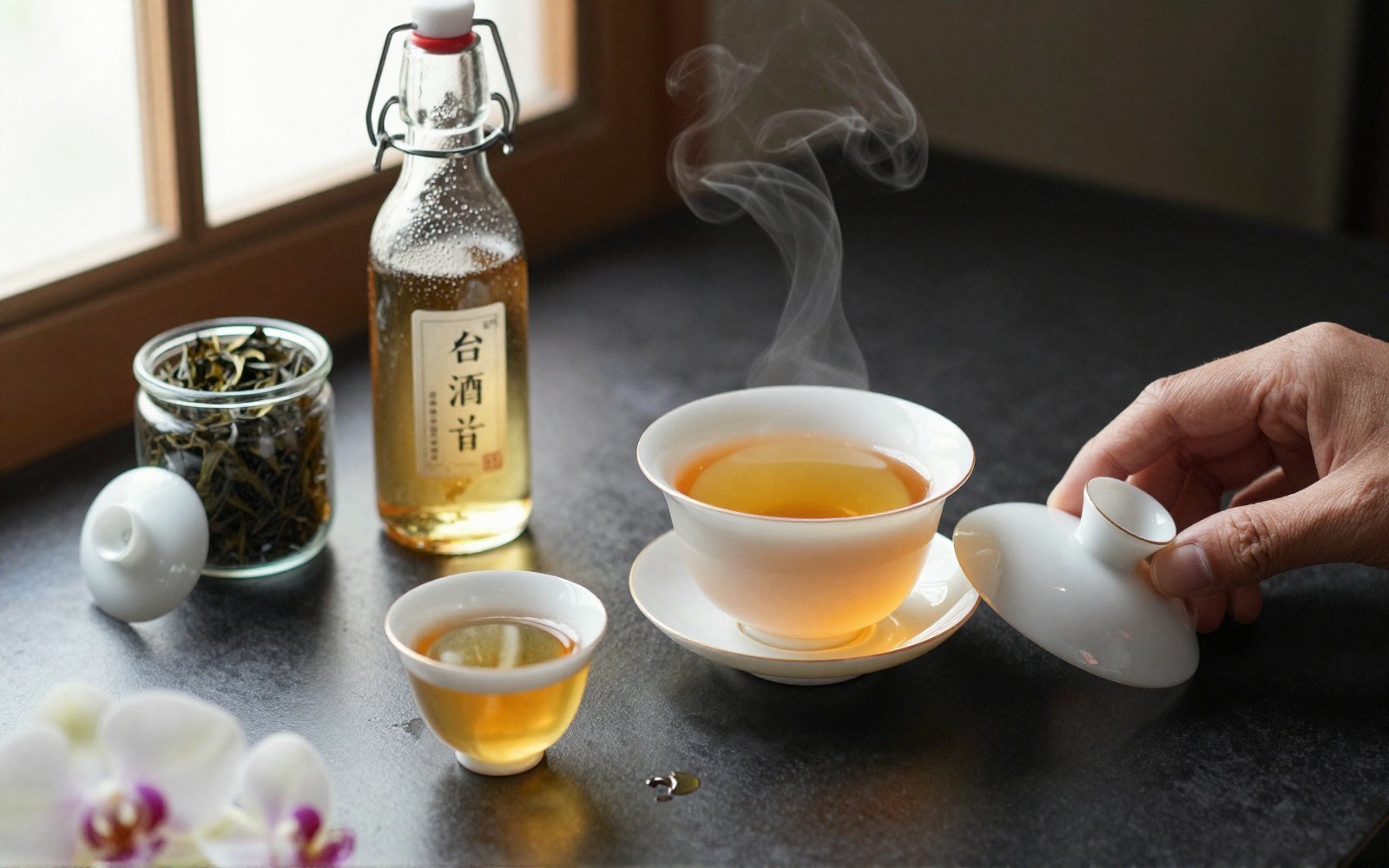
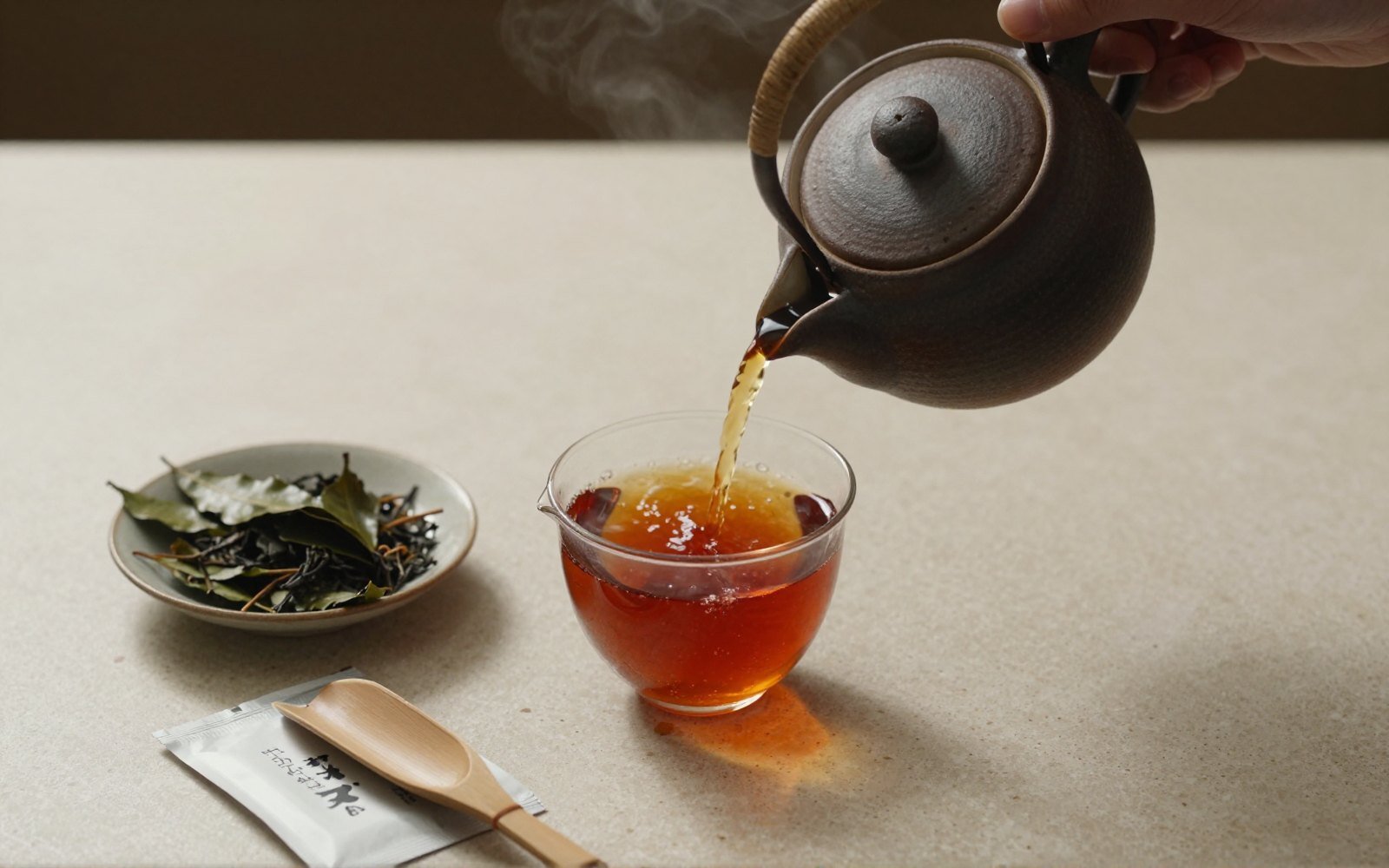
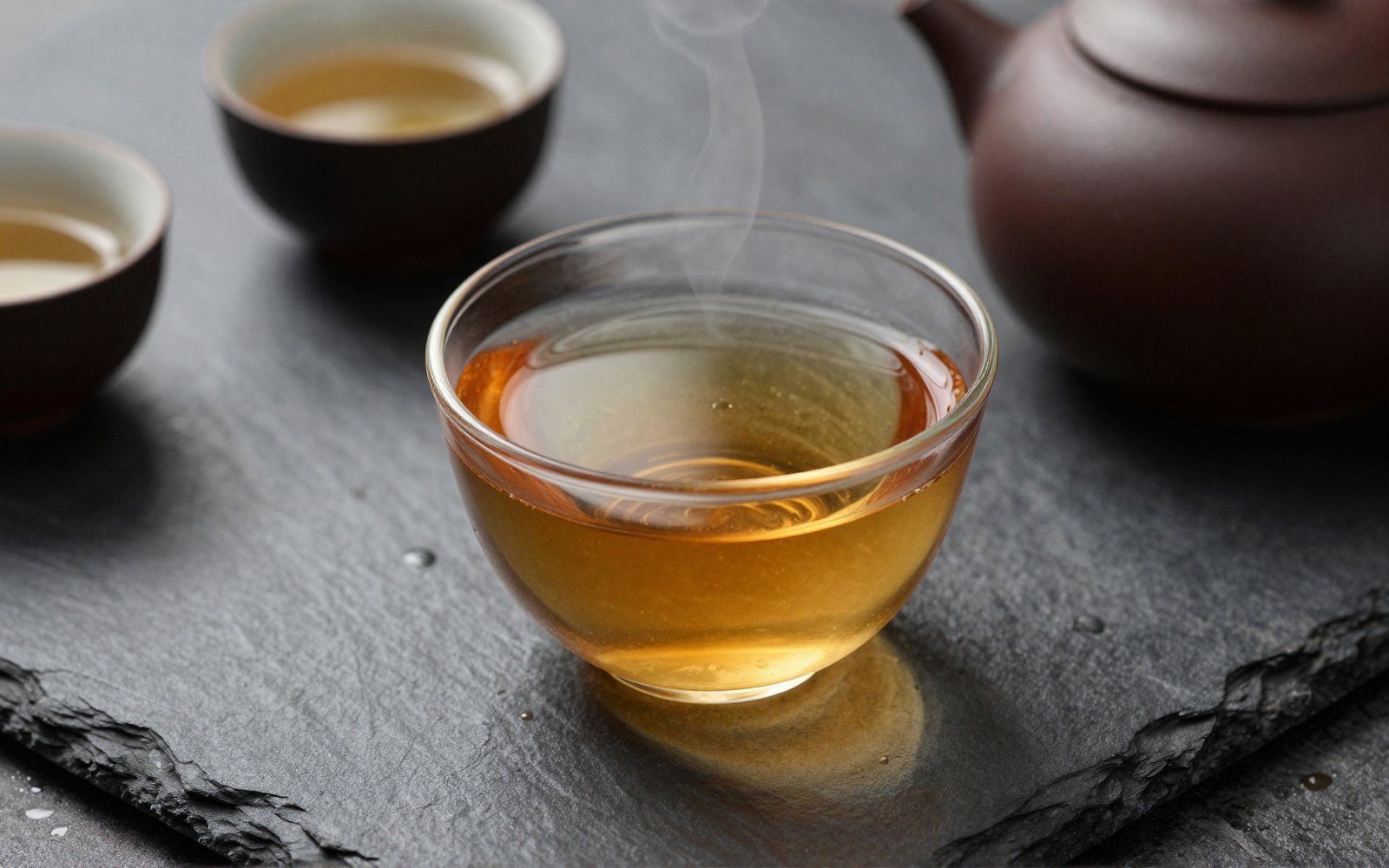 Fermented SpecialtyPhoenix Dancong Honey Orchid Oolong
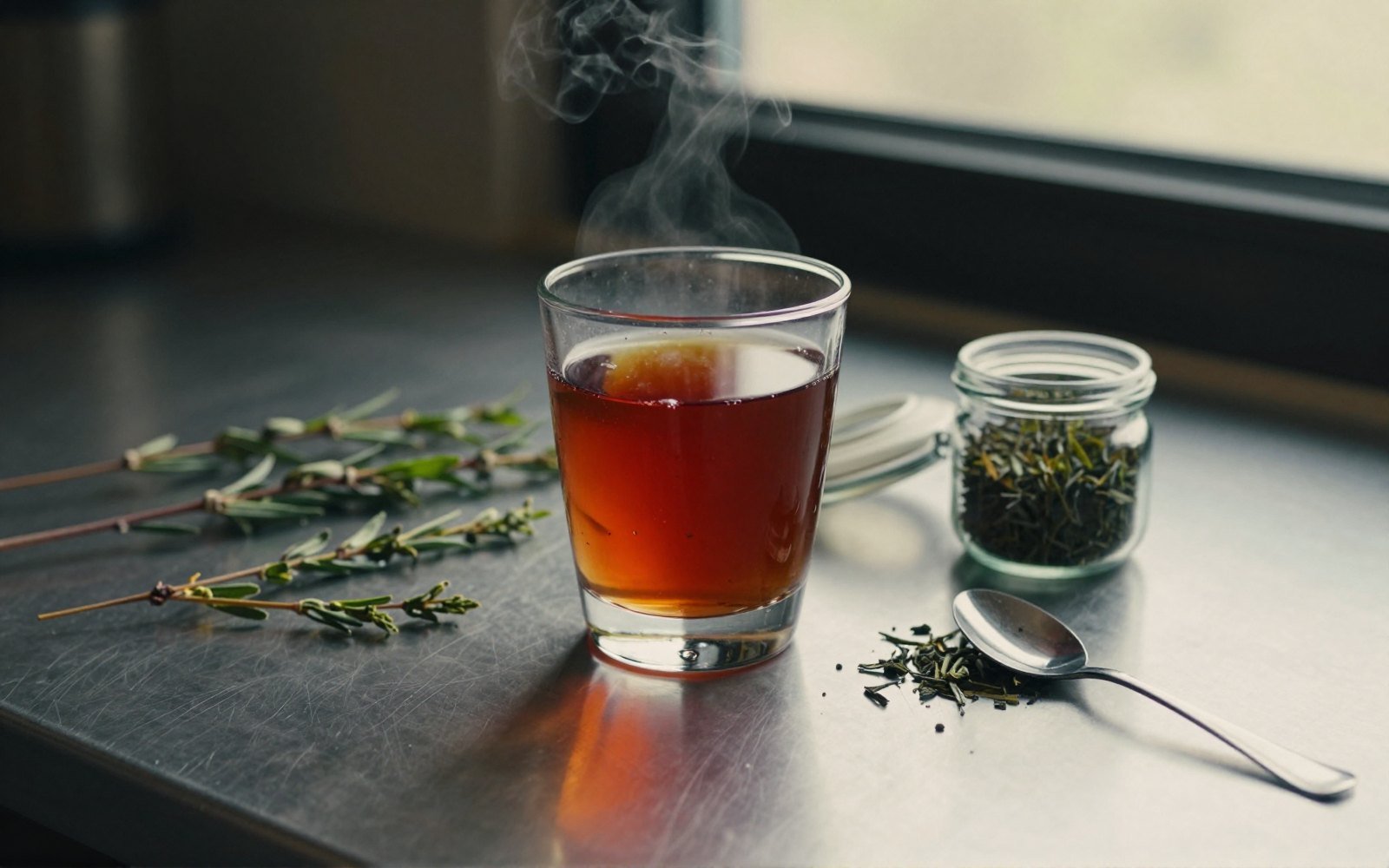
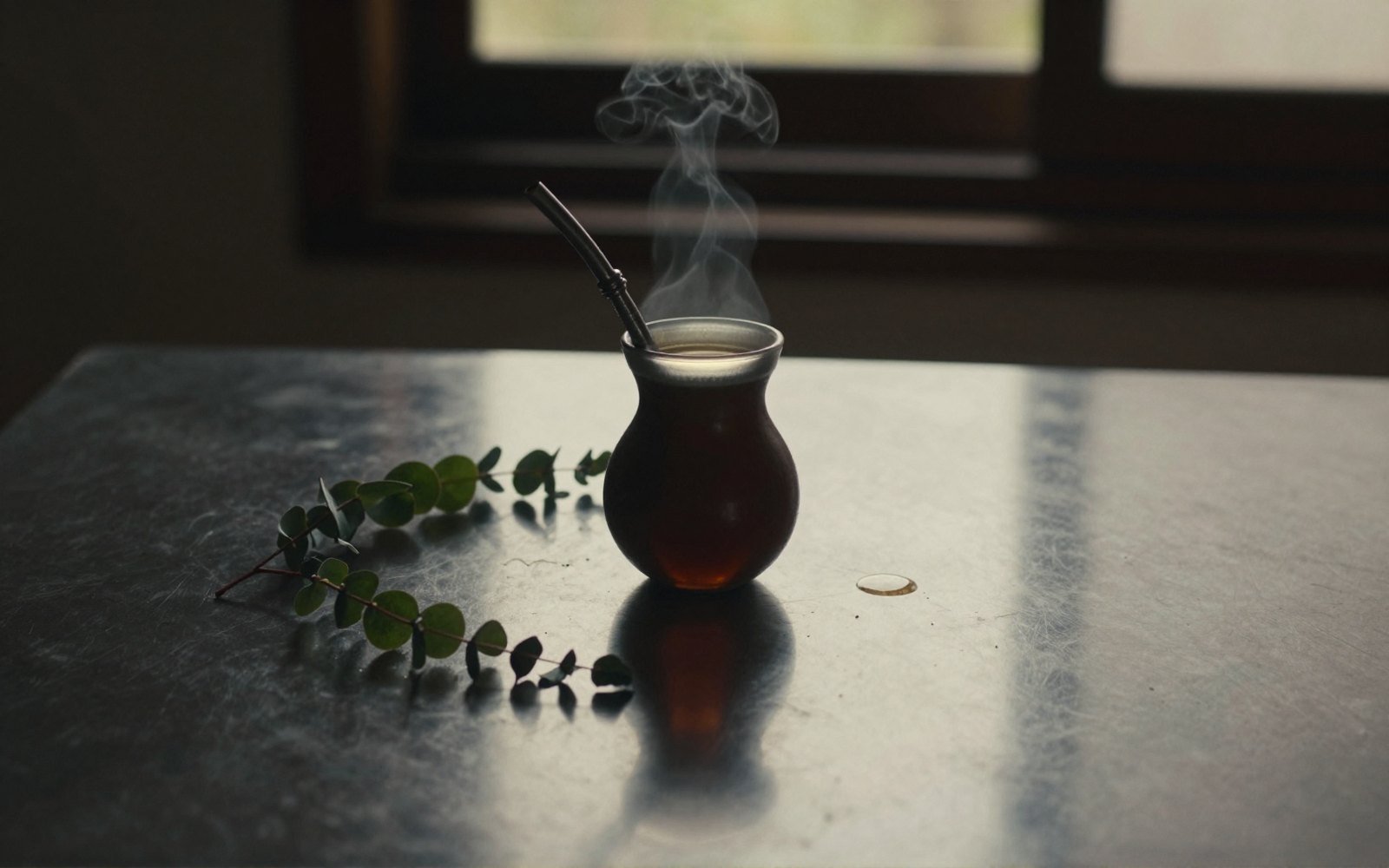 Herbal & BotanicalArgentine Traditional Yerba Maté
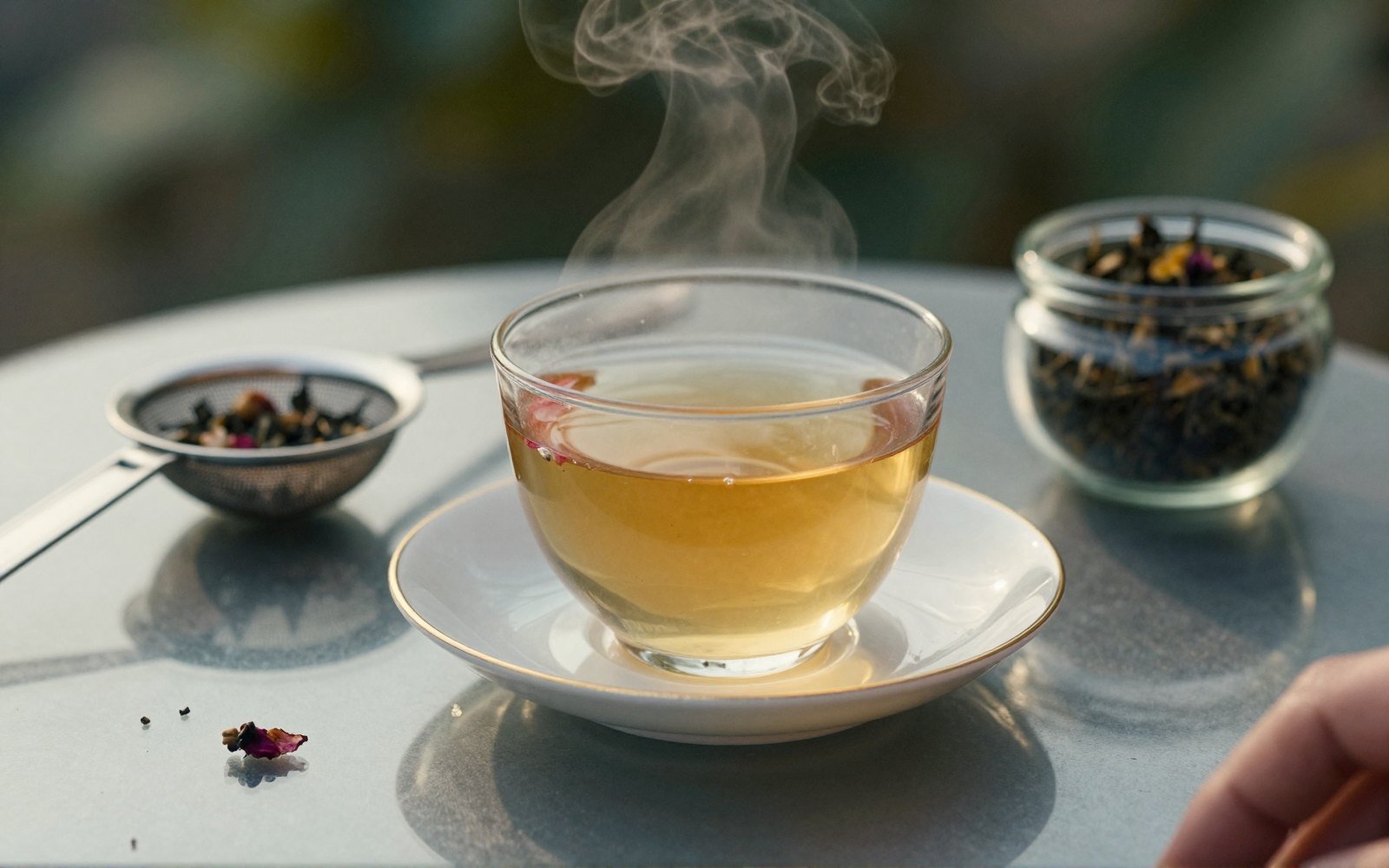 Orthodox Black TeaDarjeeling Second Flush Muscatel Tea
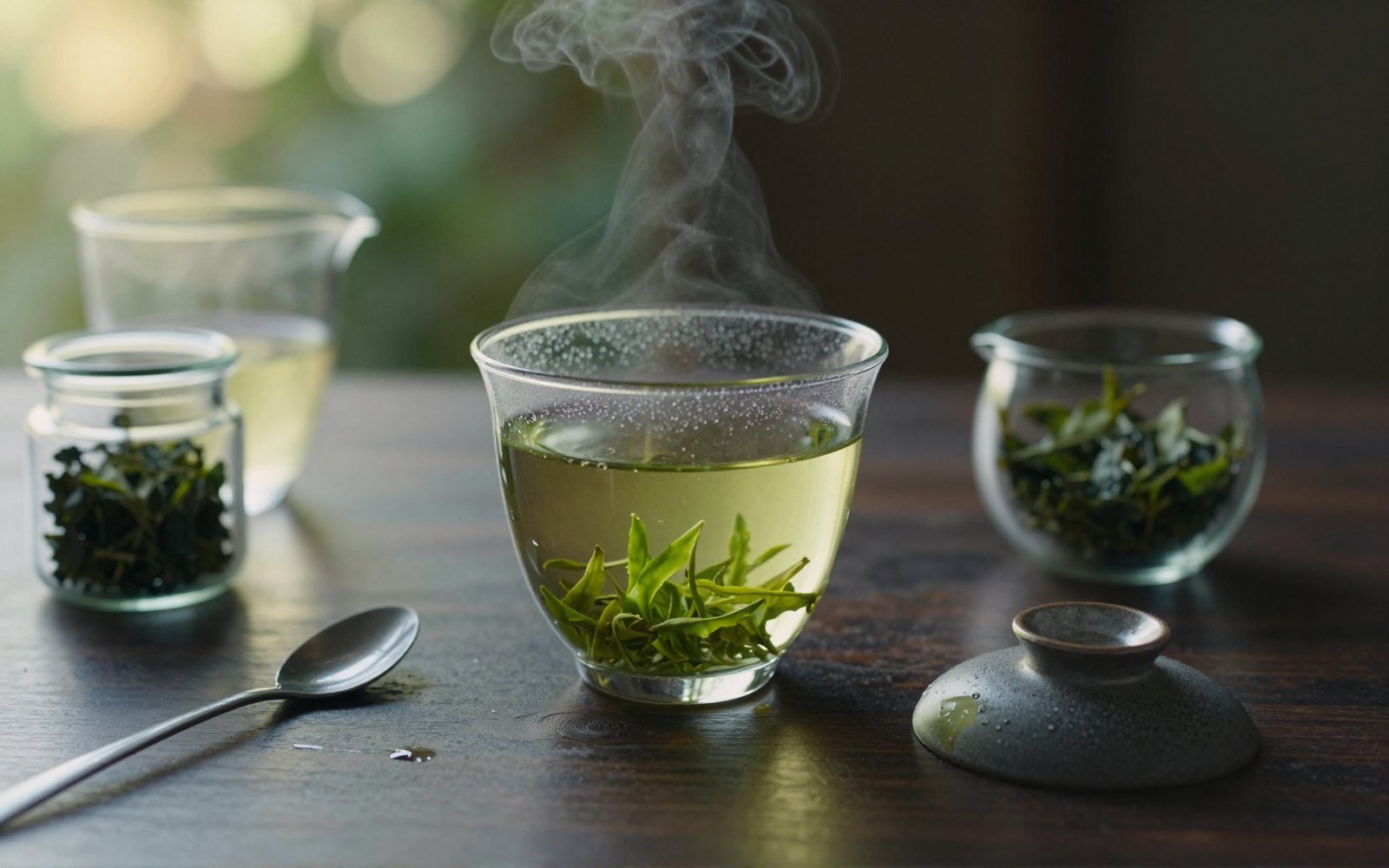 Green Tea & MatchaGyokuro Imperial Shade-Grown Green Tea
How much caffeine
do you actually need?
Pick a strength to see which drinks match, how it feels, and when to stop for the day.
It’s 7:31 PM: Caffeine-Free is the strongest tier inside this page’s suggested cut-off times.
0mg
Caffeine-Free
No caffeine to plan around
Best for: Evenings, or anyone avoiding caffeine.
About the same as
Water, most herbal infusions, rooibos
How it feels: No caffeine effect. Some botanicals act on the body in other ways, so read the cautions on the drink page if you take medication, are pregnant or are choosing for a child.
- Peaks in
- No caffeine
- Half cleared
- No caffeine
- Cut-off
- No caffeine cut-off
Typical figures for healthy adults. How fast caffeine clears varies a lot between people, and pregnancy and some medicines slow it down. Cut-off times are a rule of thumb for a late-evening bedtime, not medical advice.
What fits this range
Coffee
No coffees land in the 0 mg range.
Tea
No true teas land in the 0 mg range.
The daily ceiling: 400 mg per day for most healthy adults, per the FDA, and EFSA — The figure below which the agencies have not identified adverse effects in the general adult population.
Four sections, four different sets of questions
Roast level matters for coffee and means nothing for tea. Oxidation is the reverse. Rather than one filter bar that half applies, each section carries only the filters that describe it.
The questions people actually ask
Two drinks, the same measurements, and a verdict on which suits a hard morning, a sensitive stomach, or a cup after six. Worked out from the records rather than asserted.
All comparisons- Uji Ceremonial Grade MatchavsSingle-Origin Ethiopian Espresso
- Nitro Cascade Cold Brew CoffeevsSingle-Origin Ethiopian Espresso
- Shizuoka First-Flush SenchavsEnglish Breakfast Tea
- Single-Origin Ethiopian EspressovsClassic French Press Coarse Coffee
- Egyptian Chamomile TeavsValerian Root Tea
- Argentine Traditional Yerba MatévsSingle-Origin Ethiopian Espresso
- Gyokuro Imperial Shade-Grown Green TeavsUji Ceremonial Grade Matcha
- Panama Geisha Floral Filter CoffeevsKenya AA Blackcurrant Filter Coffee
Where the popular explanation is wrong
Built for the kettle,
not the sofa
The parts people come back to. Nothing here needs an account.
Spend on the grinder first
The unglamorous order of operations: grind consistency changes the cup more than the brewer does, and the brewer changes it more than the beans. We have not independently tested this equipment, and every page says so.
Not sure what to brew?
Answer a few questions about taste, caffeine and time of day and the Brew Finder narrows the catalogue for you.
What people ask before they trust a number
Short answers to the questions that decide whether the rest of this site is any use to you, including the ones where the honest answer is that the evidence is thinner than the marketing.
- How much caffeine is in espresso compared with matcha or cold brew?
- Does the L-theanine in matcha cancel out the caffeine?
- What does CupCura actually measure, and what is editorial judgement?
- Is "low acidity" here a pH measurement?
- How many drinks does CupCura cover?
- Which drink should I have if I want to sleep tonight?
- Does CupCura get paid for its recommendations?