Herbal
Herbal drinks
Infusions with no tea leaf in them — flowers, roots, spices and leaves. Most are caffeine-free, and several interact with medication, so the safety filter matters here more than anywhere else on the site.
 Leaf
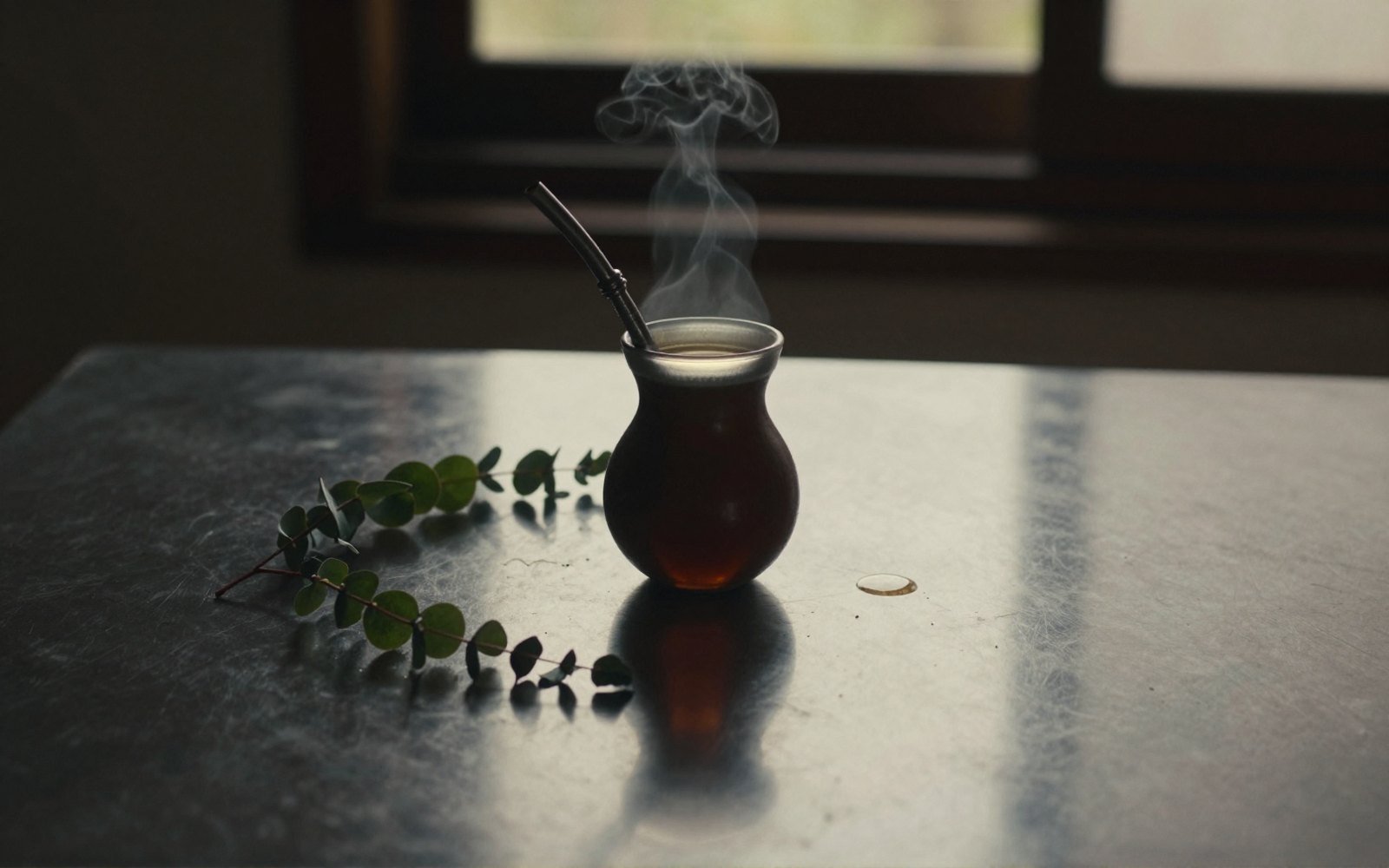
LeafArgentine Traditional Yerba Maté
Argentina
Fresh-Cut GrassEarthyLeaf85 mg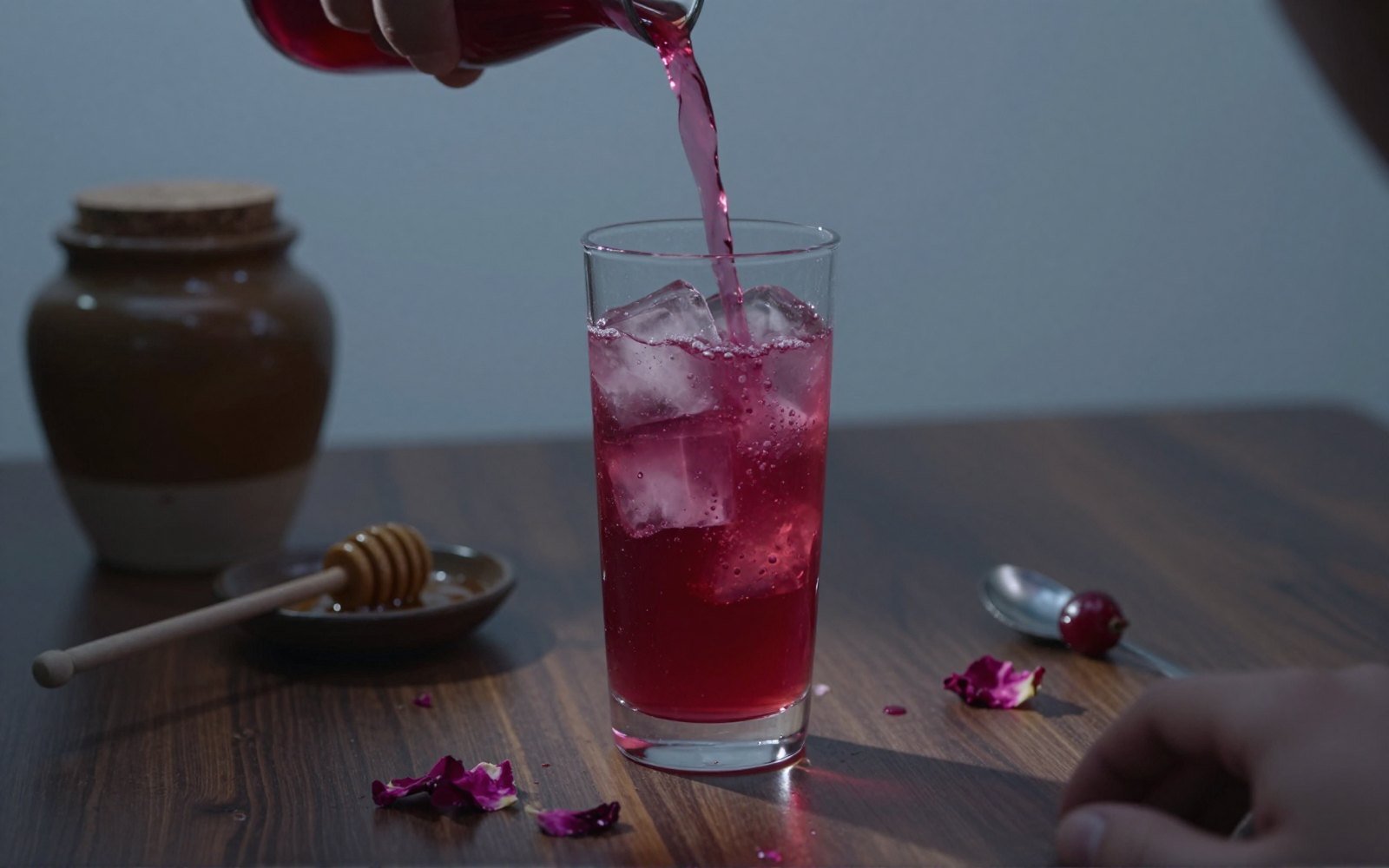 Flower
Rose Hibiscus Tea
Egypt
Rose PetalCranberryFlowerCaffeine-free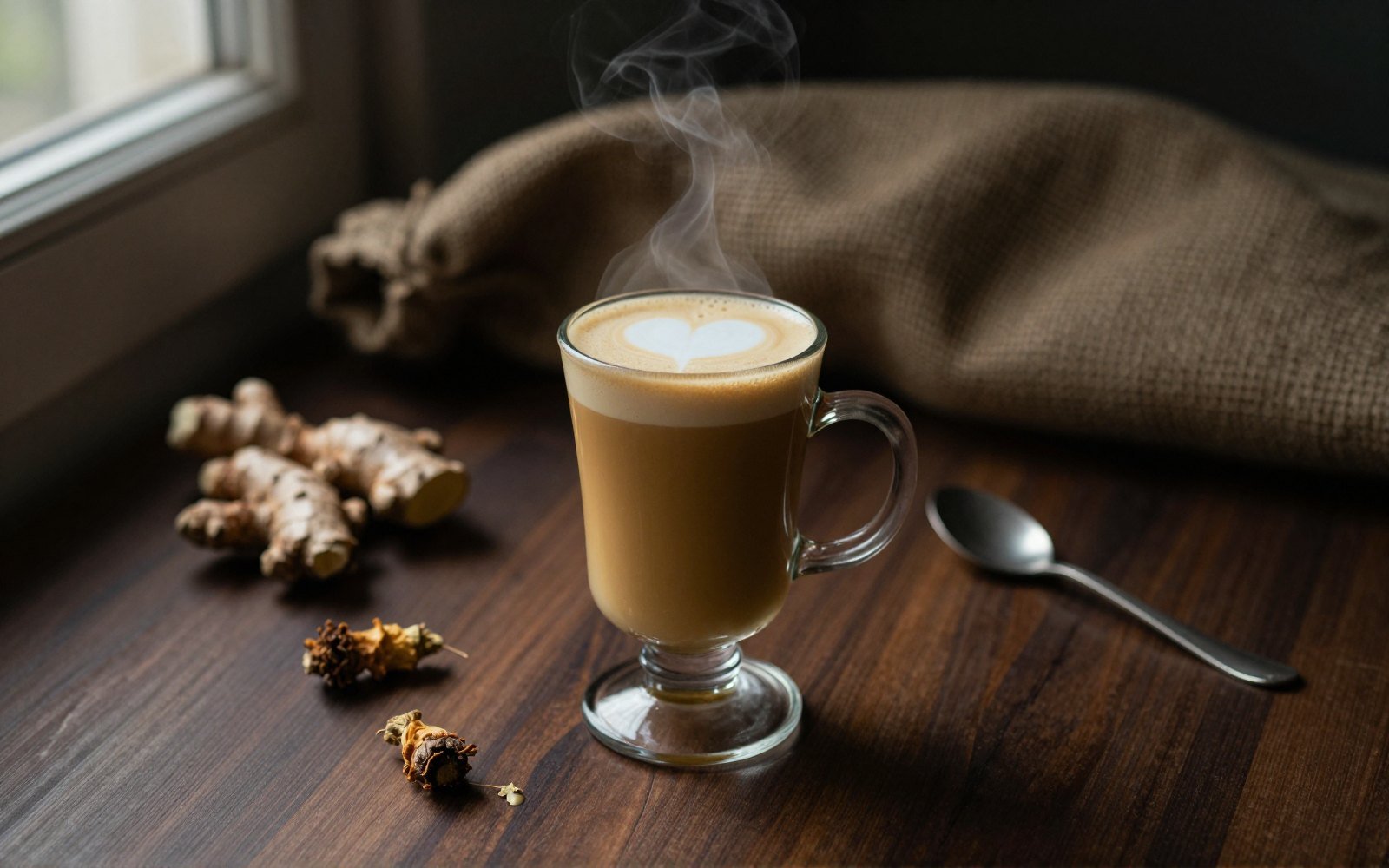 Root & spice
Golden Milk (Haldi Doodh)
India
Earth SpiceWarm GingerRoot & spiceCaffeine-free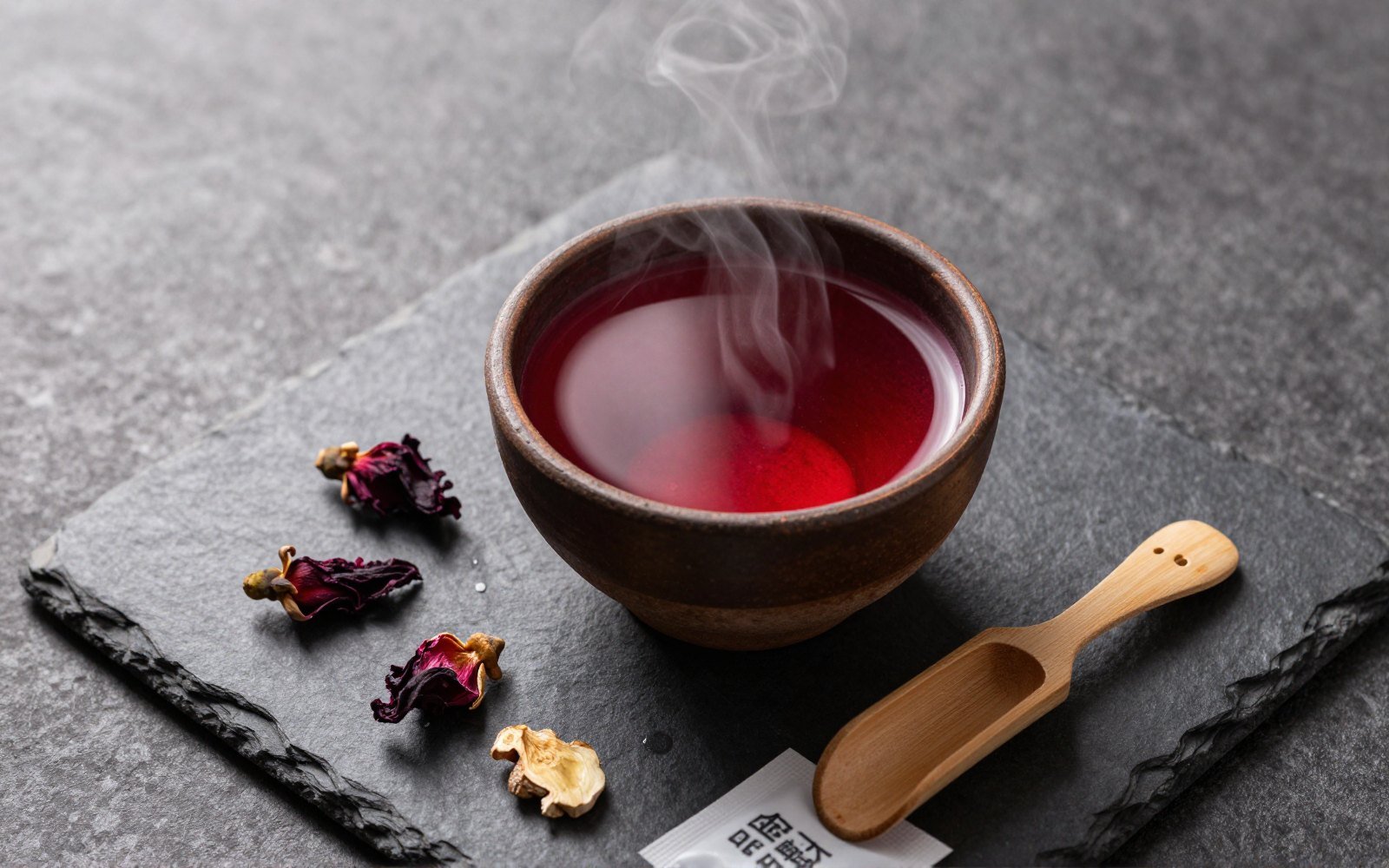 Flower
Hibiscus Ginger Cooler
West Africa
GingerCranberryFlowerCaffeine-free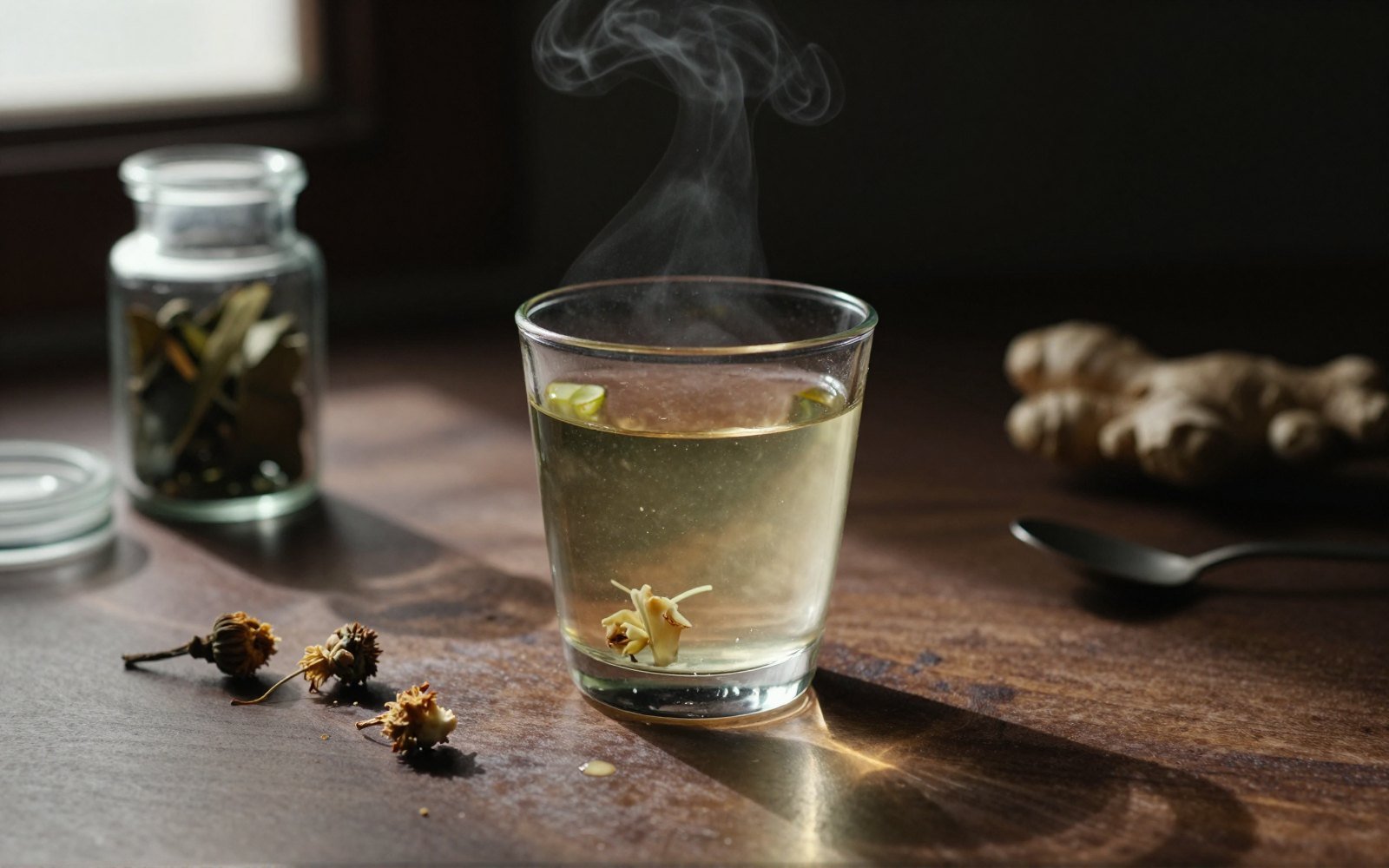 Root & spice
Lemongrass Ginger Tea
Southeast Asia
LemongrassFresh GingerRoot & spiceCaffeine-free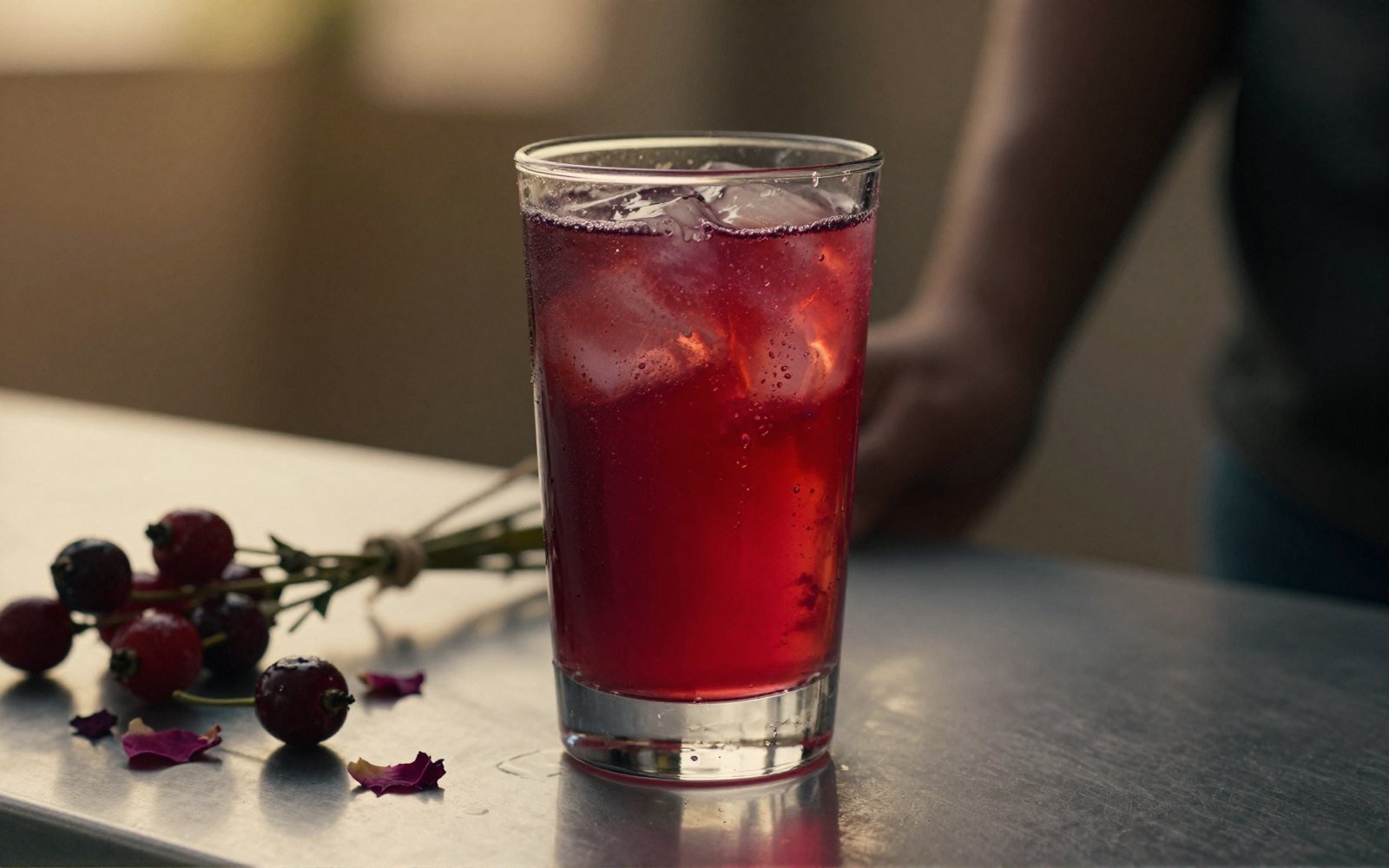 Flower
Hibiscus Rosehip Tea
Egypt
Tart CranberryRosehipFlowerCaffeine-free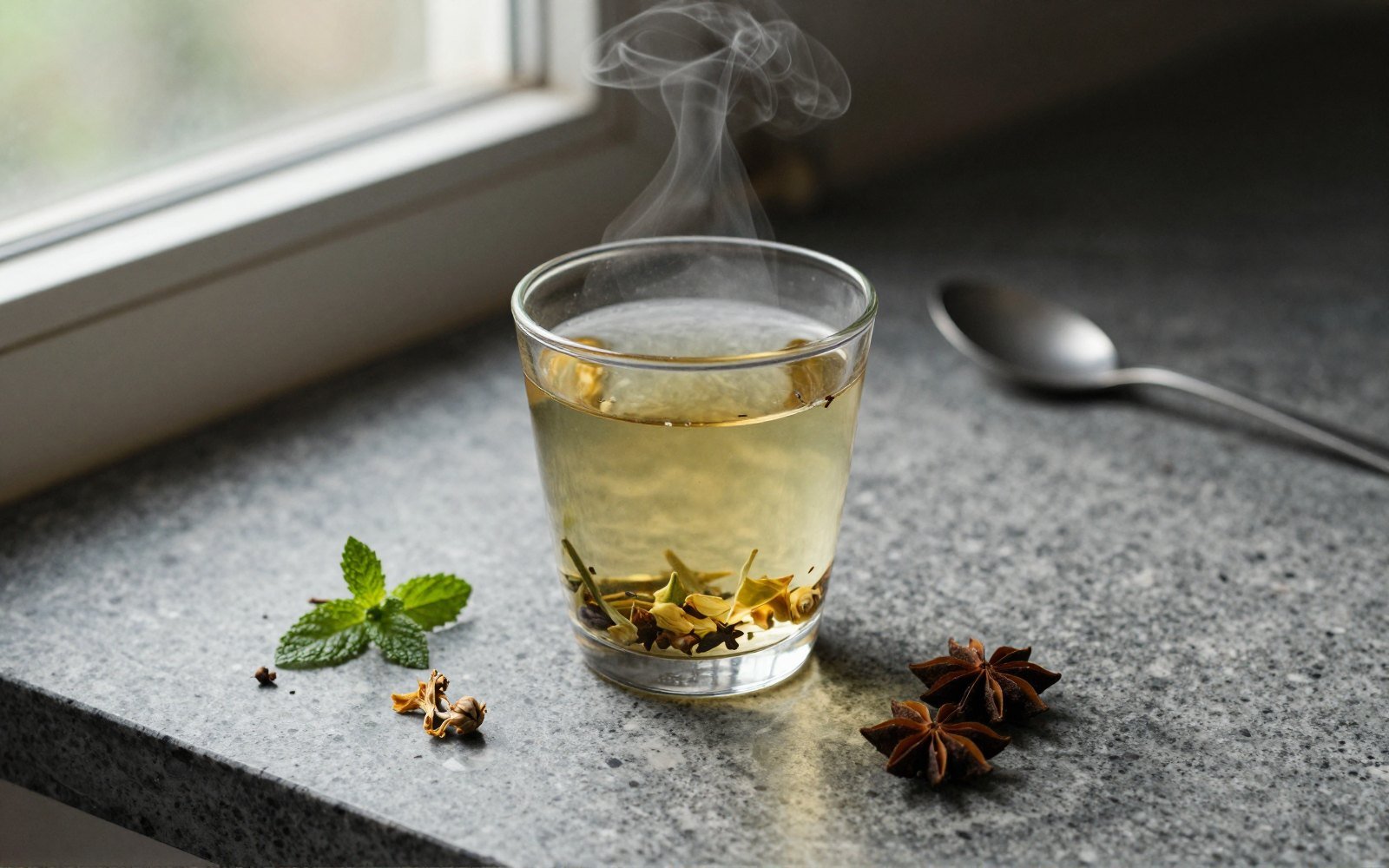 Root & spice
Tulsi Holy Basil Tea
India
ClovePepperRoot & spiceCaffeine-free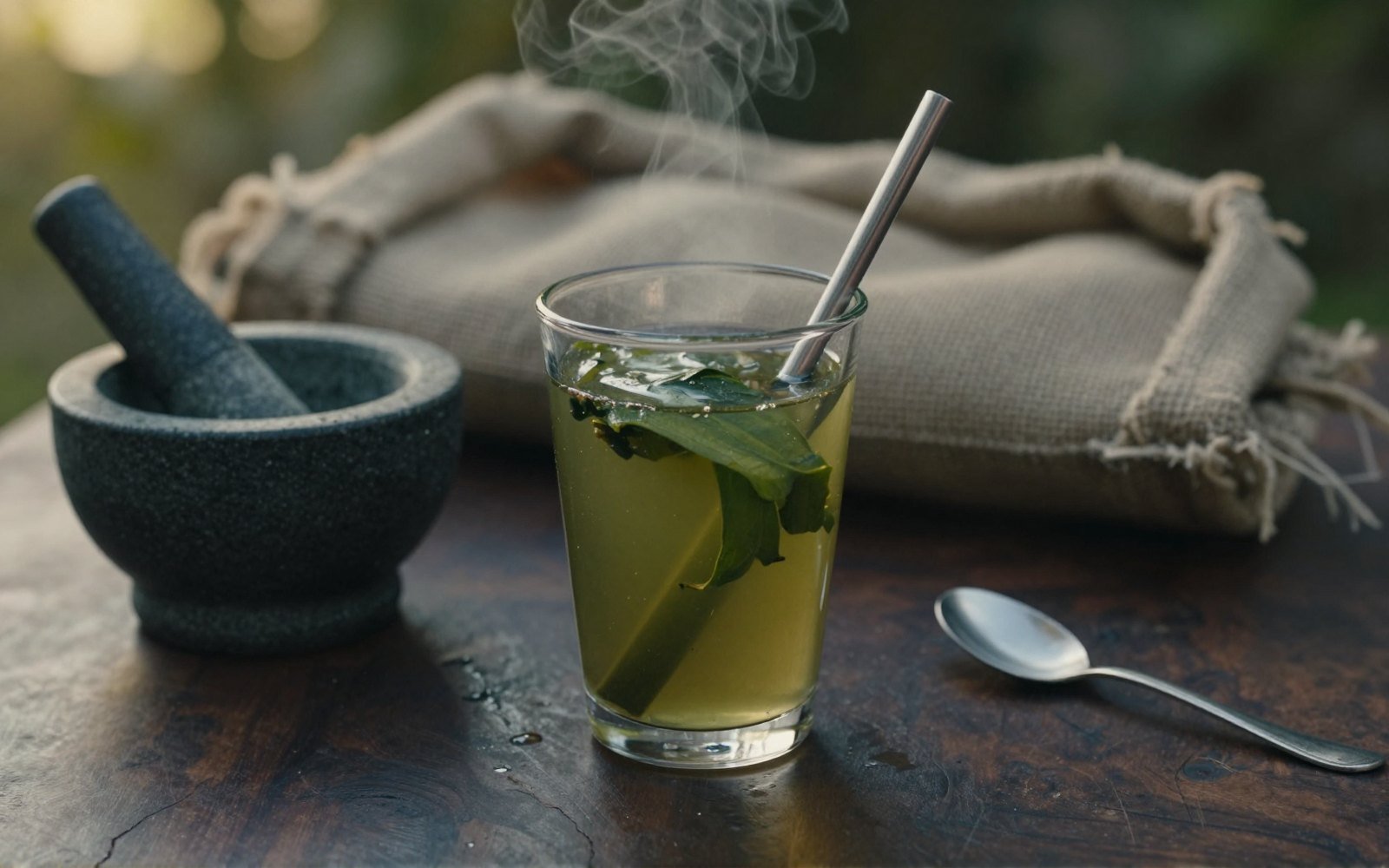 Leaf
LeafAmazonian Guayusa Tea
Ecuador
SmoothEarthyLeaf90 mg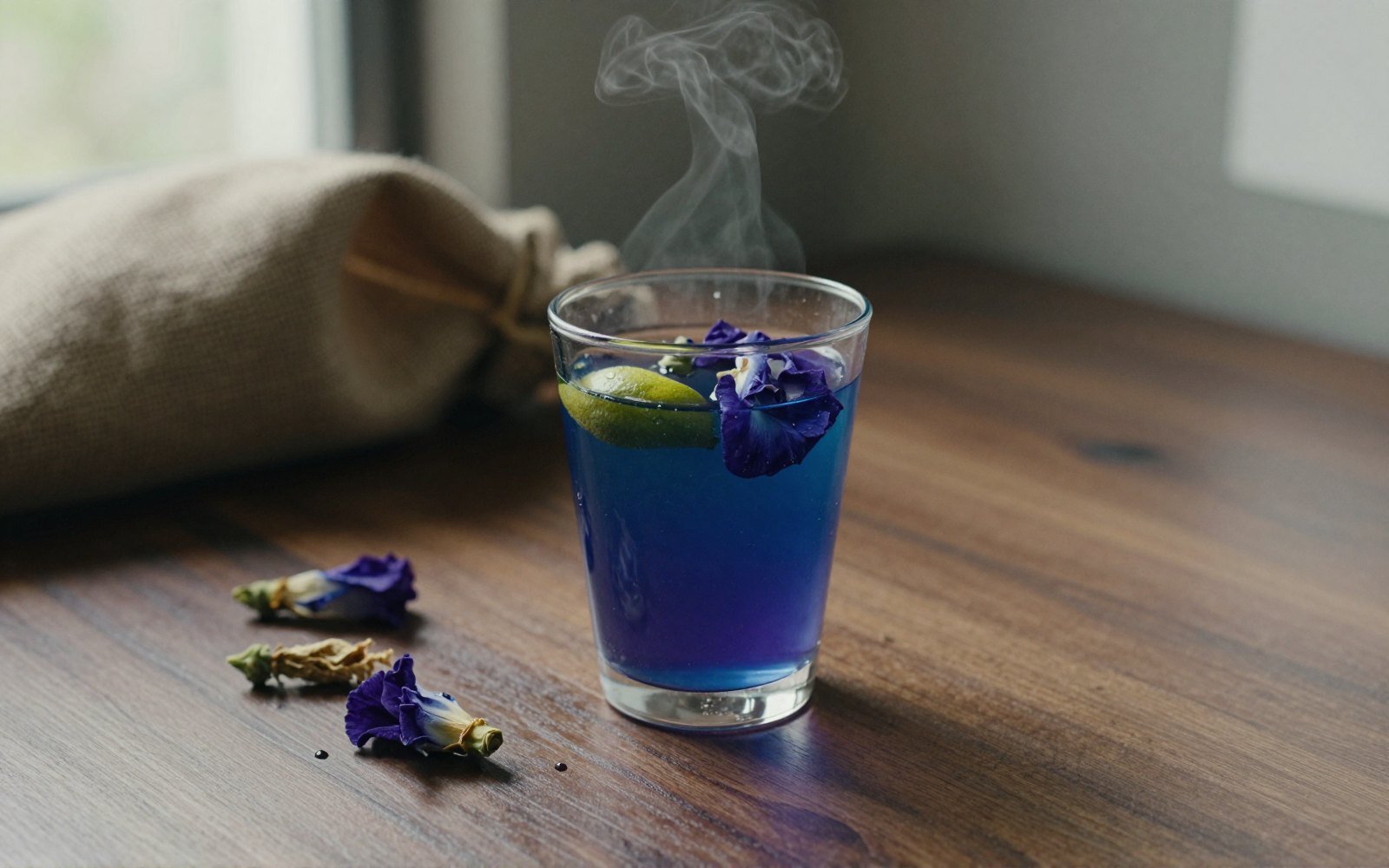 Flower
Butterfly Pea Lemongrass Tea
Thailand
LemongrassPea FlowerFlowerCaffeine-free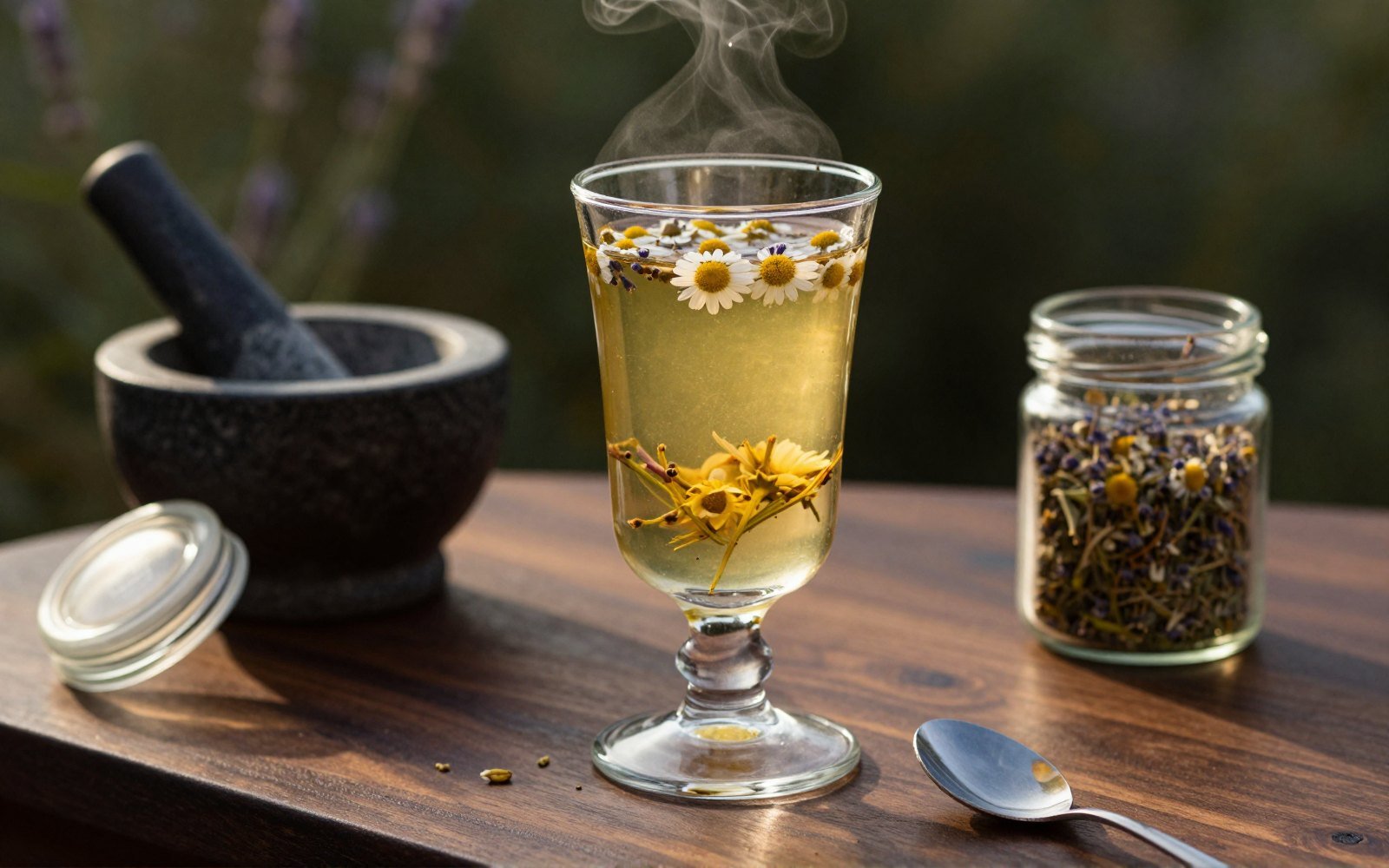 Flower
Chamomile Lavender Tea
Mediterranean herb gardens
ChamomileLavenderFlowerCaffeine-free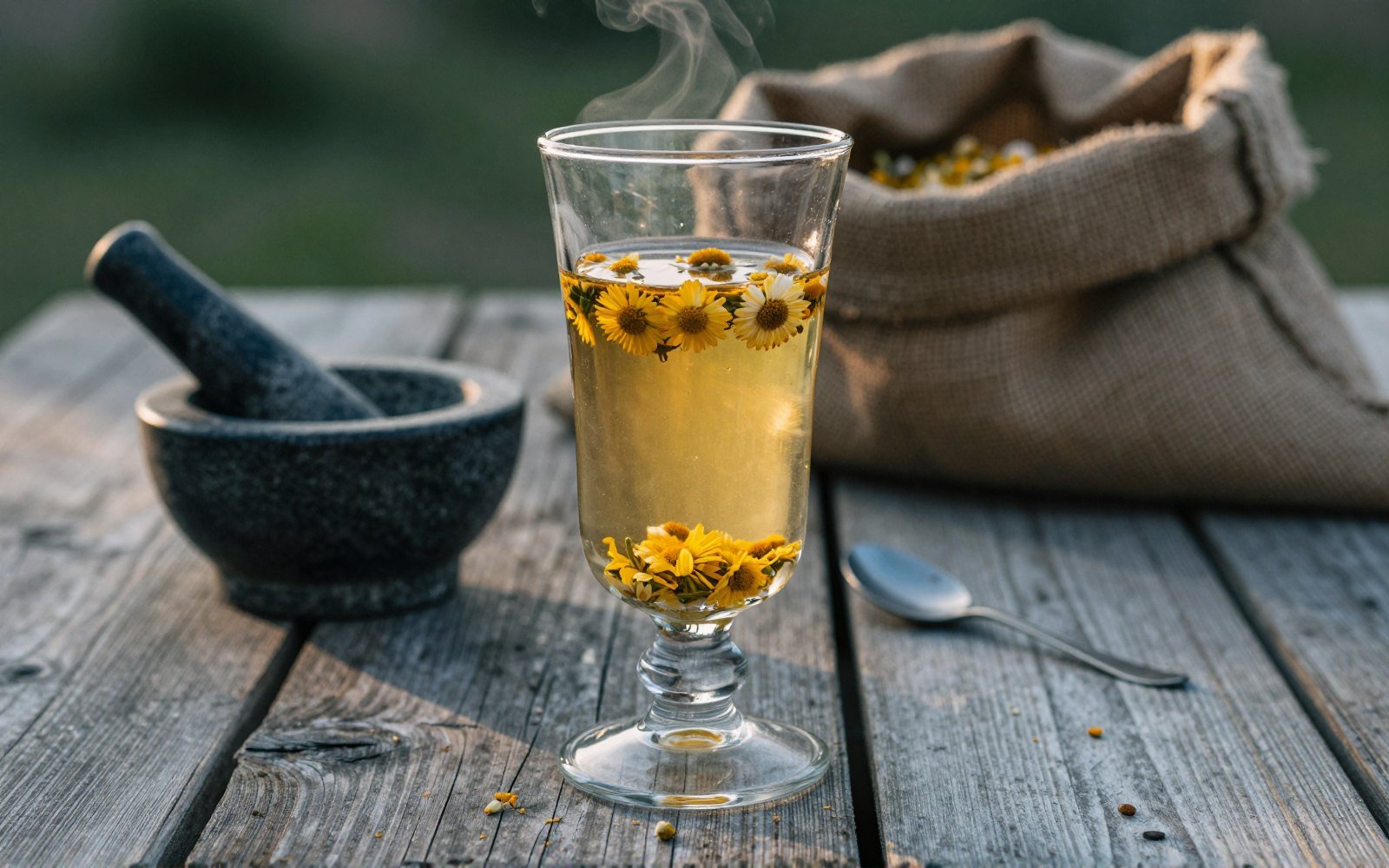 Flower
Egyptian Chamomile Tea
Egypt
HoneyAppleFlowerCaffeine-free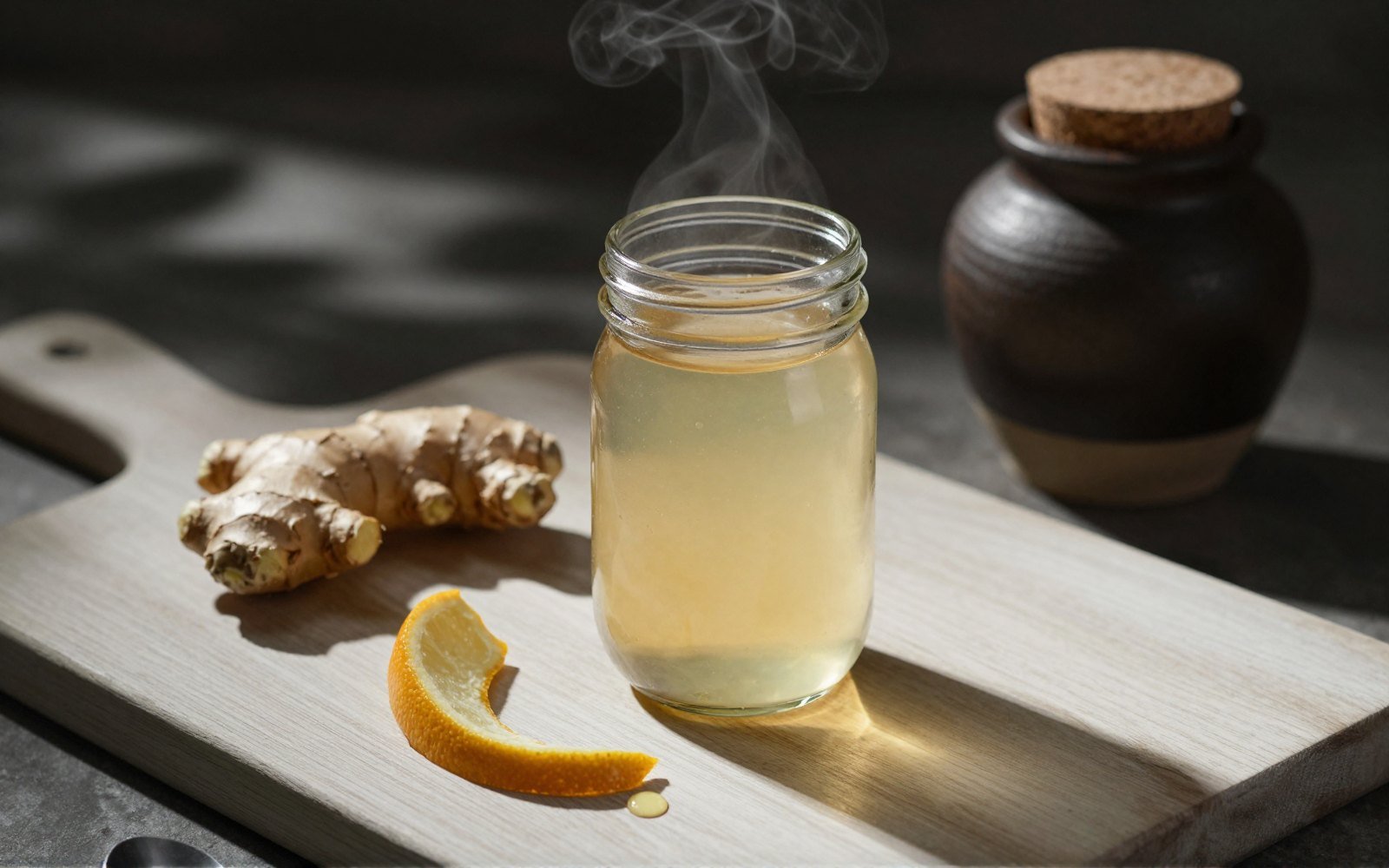 Root & spice
Fresh Ginger Tea
India
Spicy GingerFaintly LemonyRoot & spiceCaffeine-free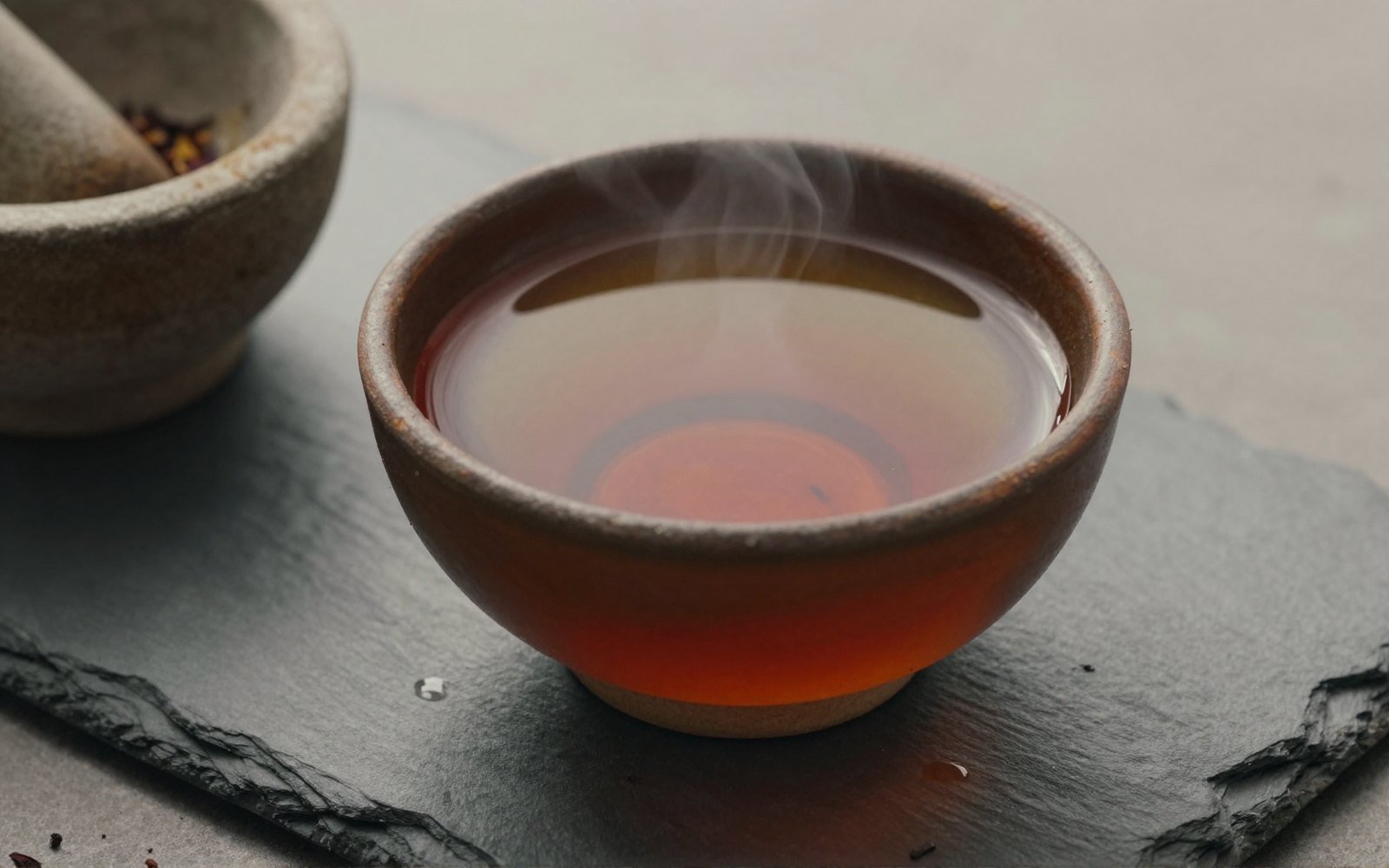 Leaf
LeafWild Honeybush Tea
South Africa
HoneyFloralLeafCaffeine-free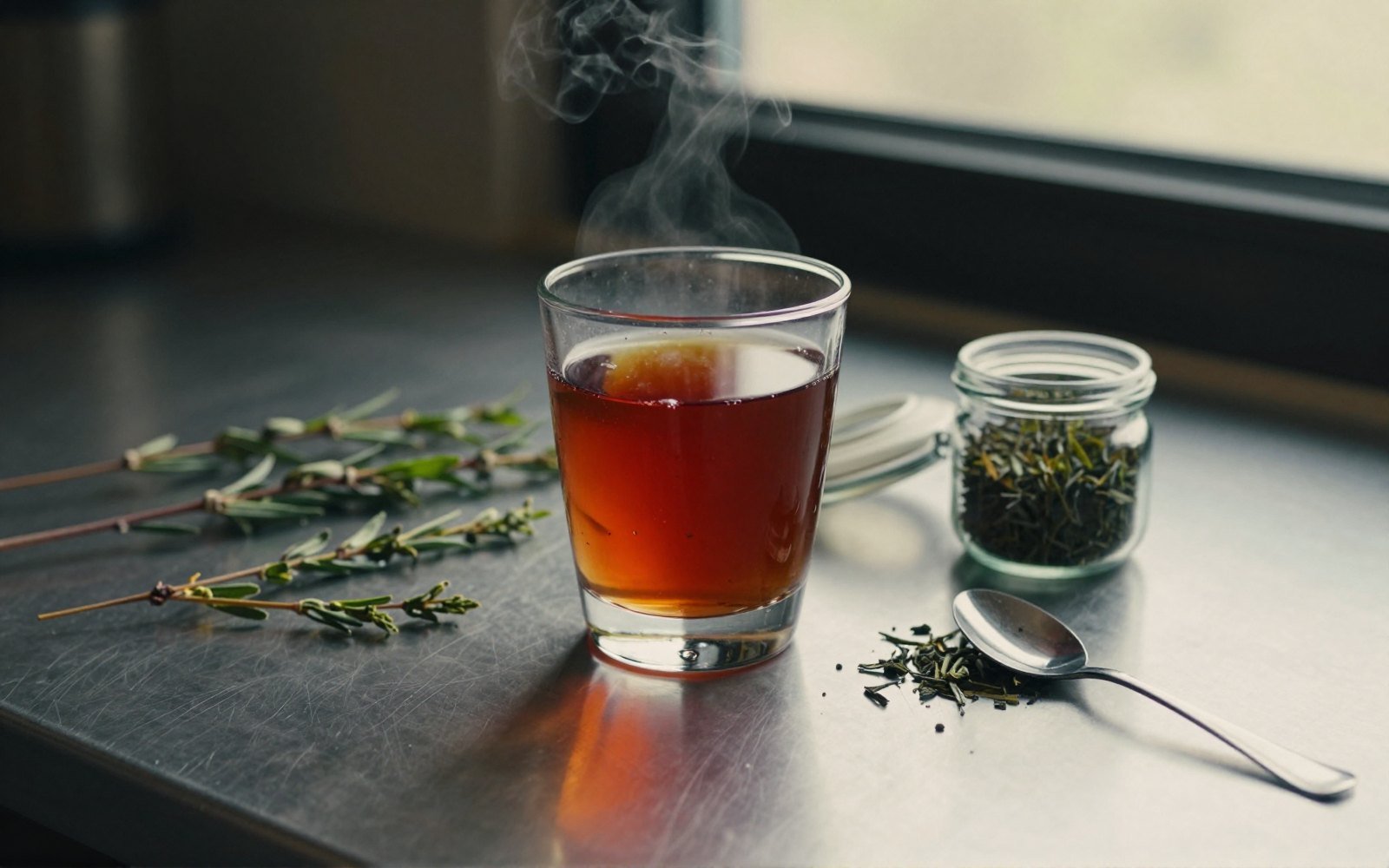 Leaf
LeafGreen Rooibos Tea
South Africa
GrassyFaint SweetnessLeafCaffeine-free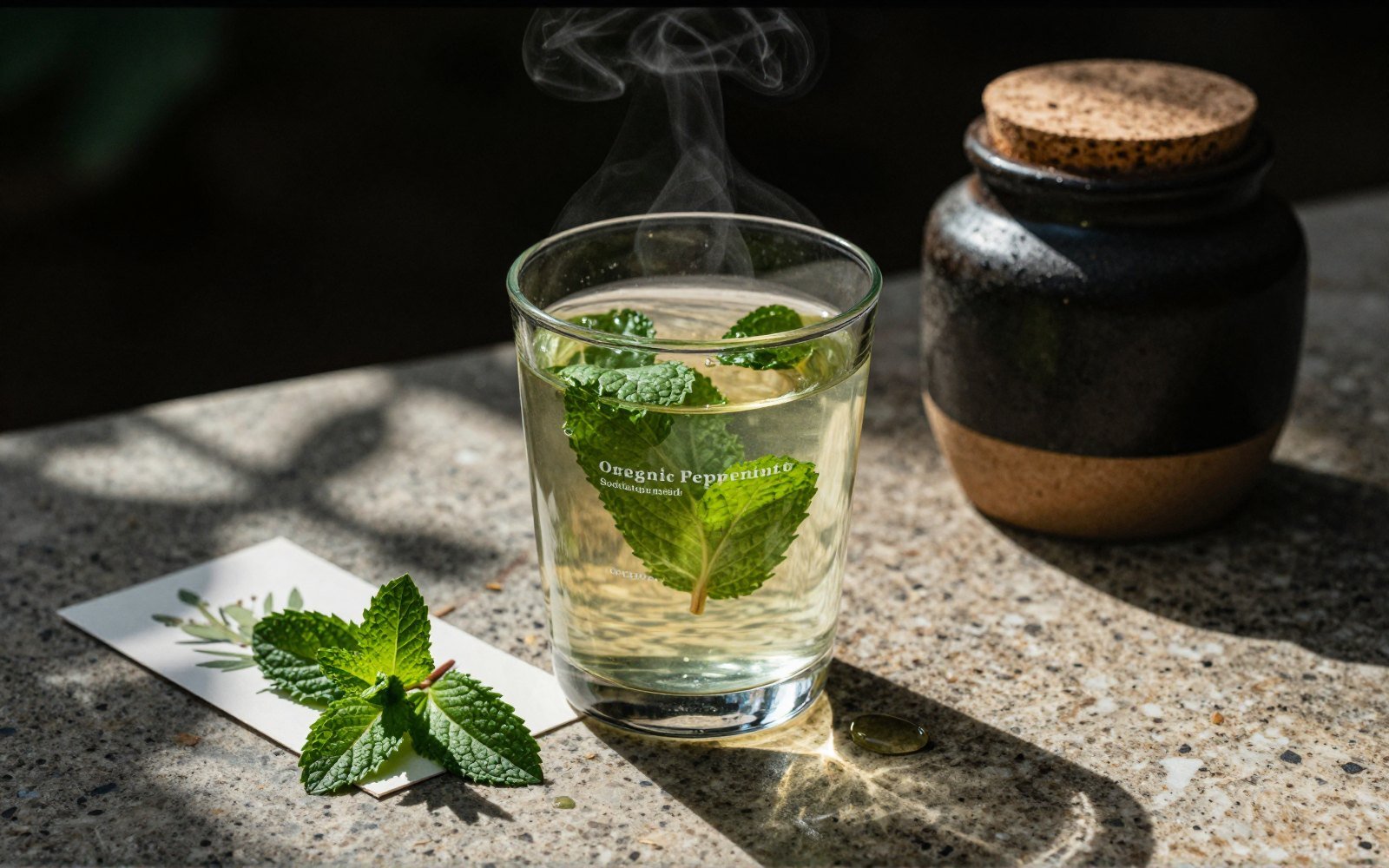 Leaf
LeafOregon Peppermint Tea
USA
Cool MintSharpLeafCaffeine-free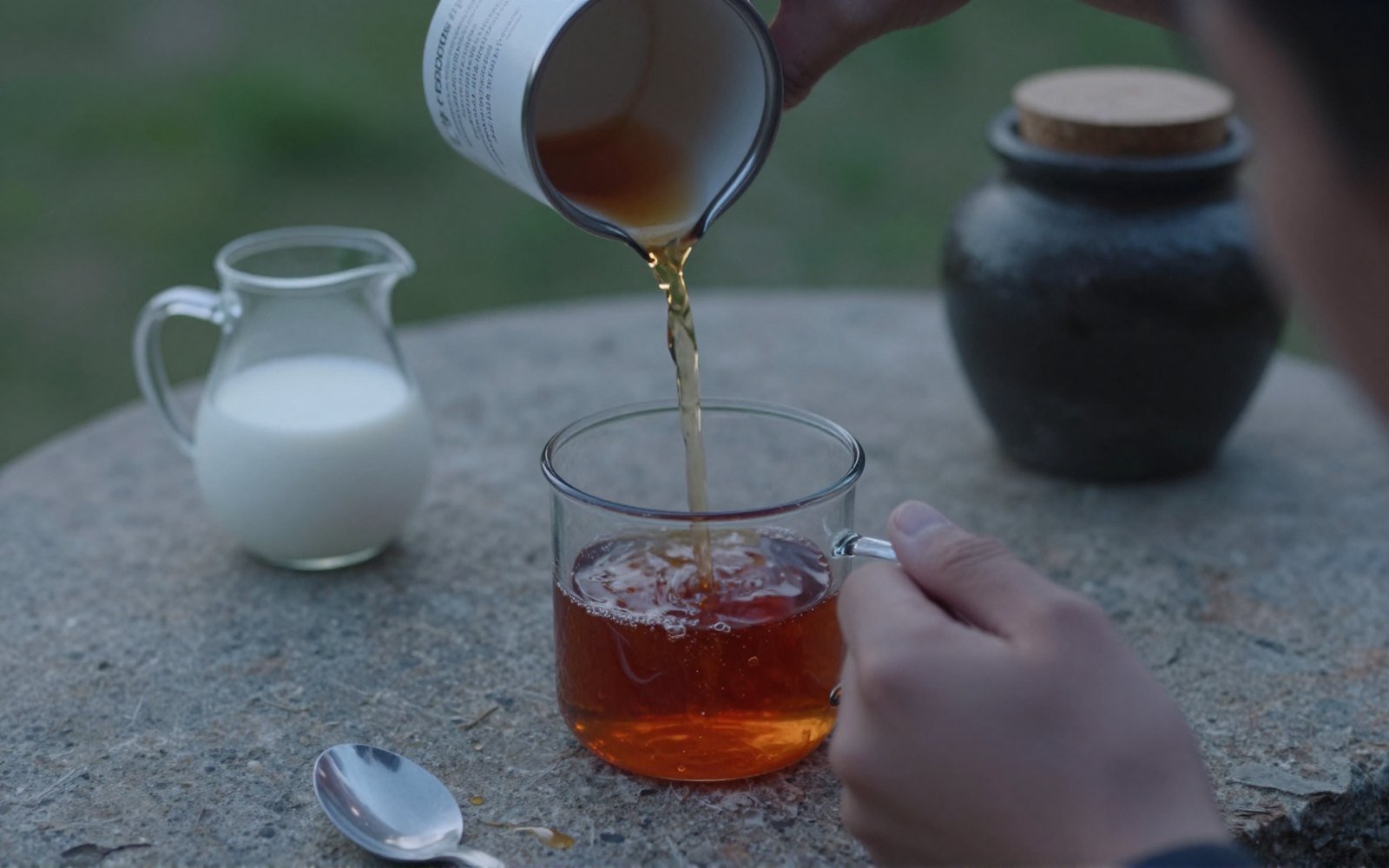 Leaf
LeafFermented Rooibos
South Africa
SweetWoodyLeafCaffeine-free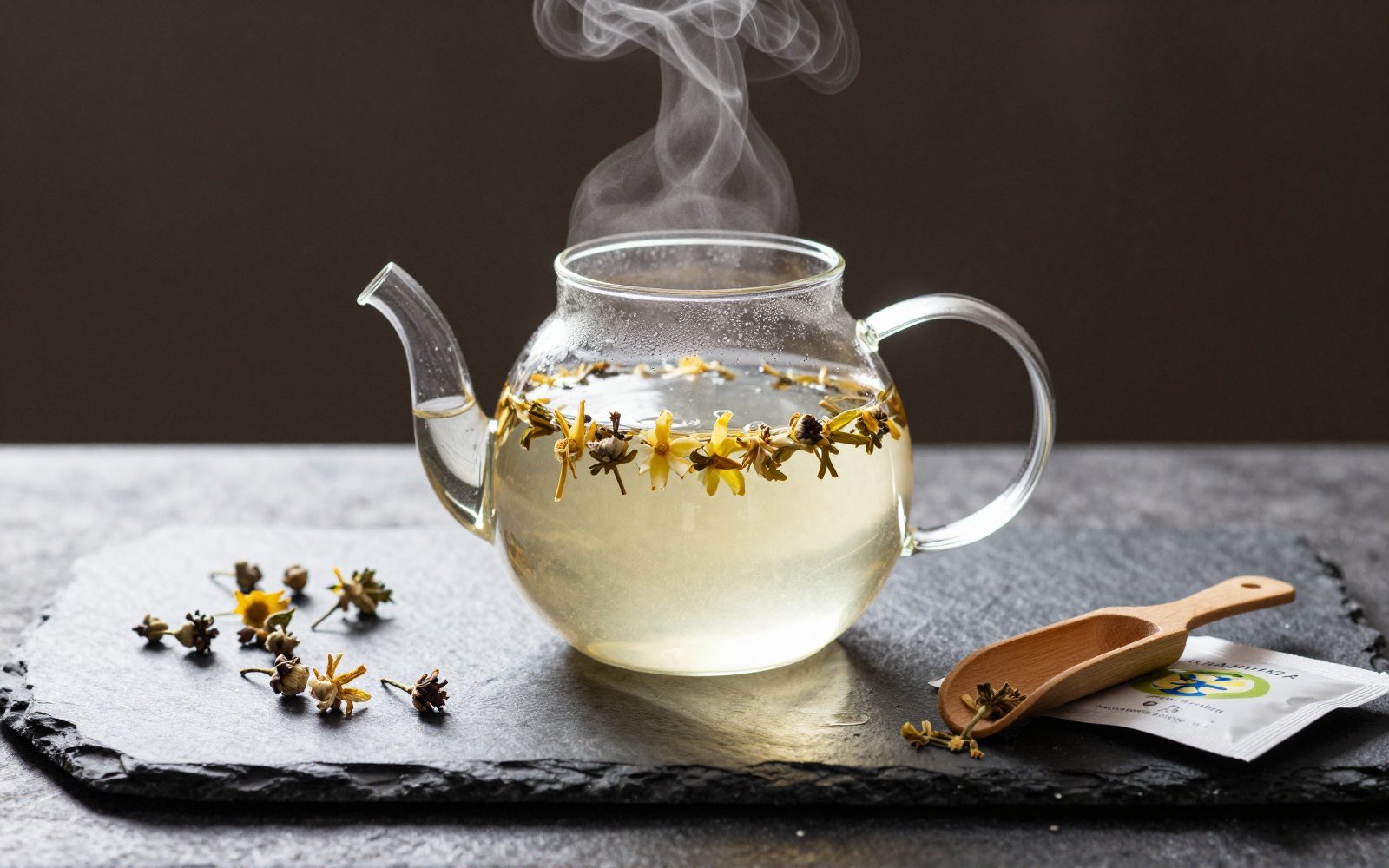 Leaf
LeafLemon Balm Tea
Germany
LemonMild MintLeafCaffeine-free Leaf
LeafRed Rooibos Tea
South Africa
SweetNuttyLeafCaffeine-free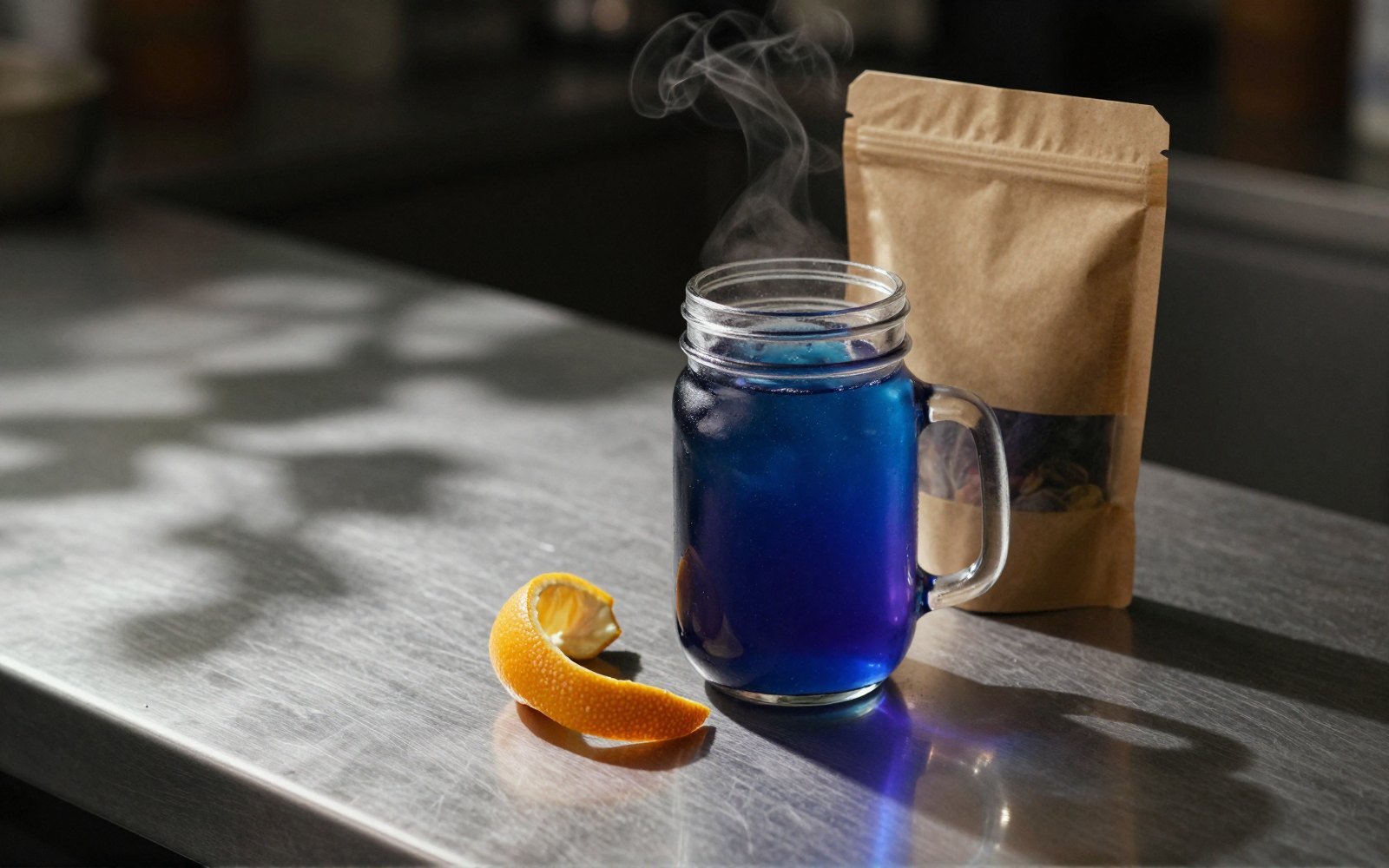 Flower
Thai Butterfly Pea Flower Tea
Thailand
EarthyMildFlowerCaffeine-free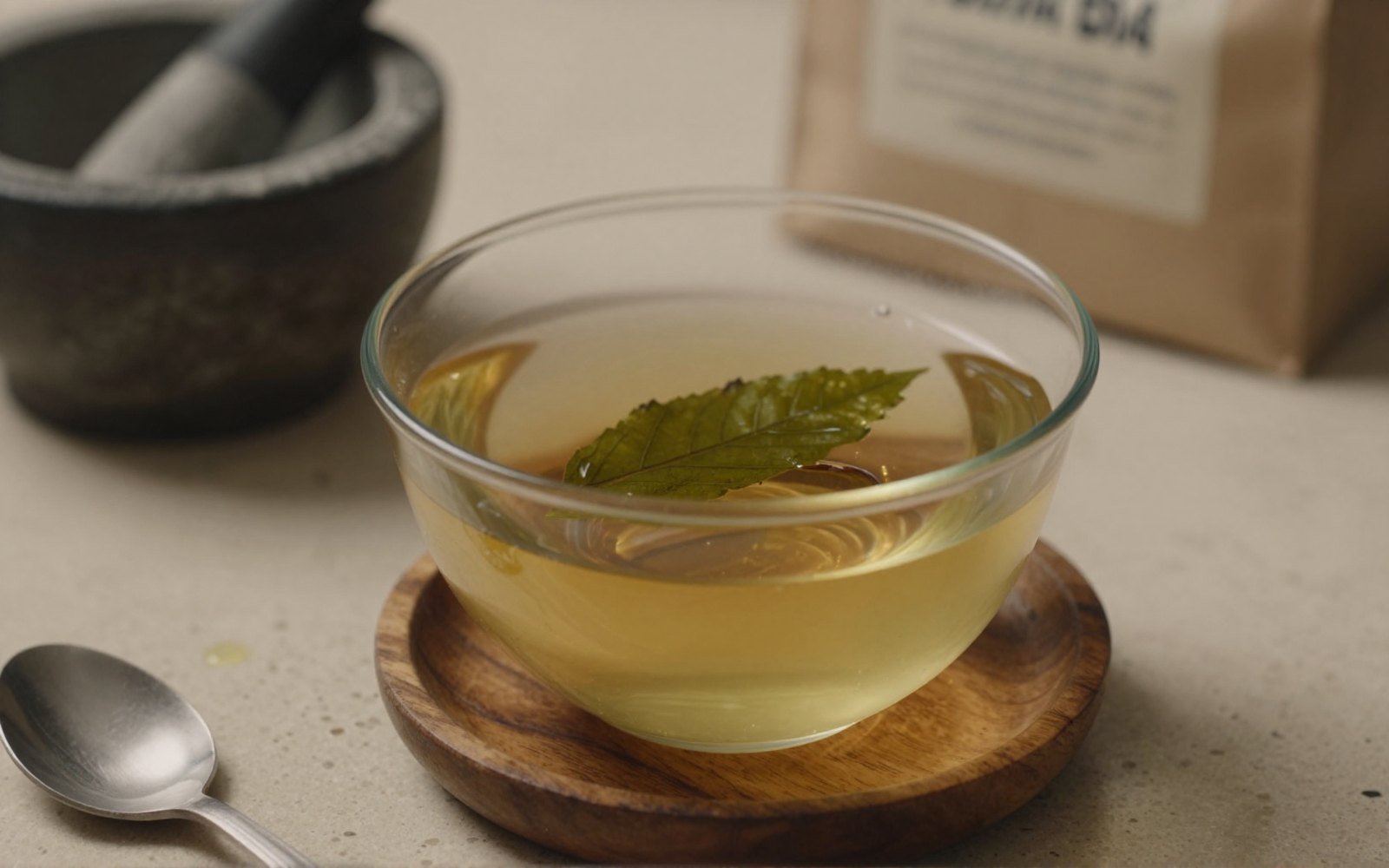 Leaf
LeafSpearmint Tea
Morocco
Sweet MintFresh Green LeafLeafCaffeine-free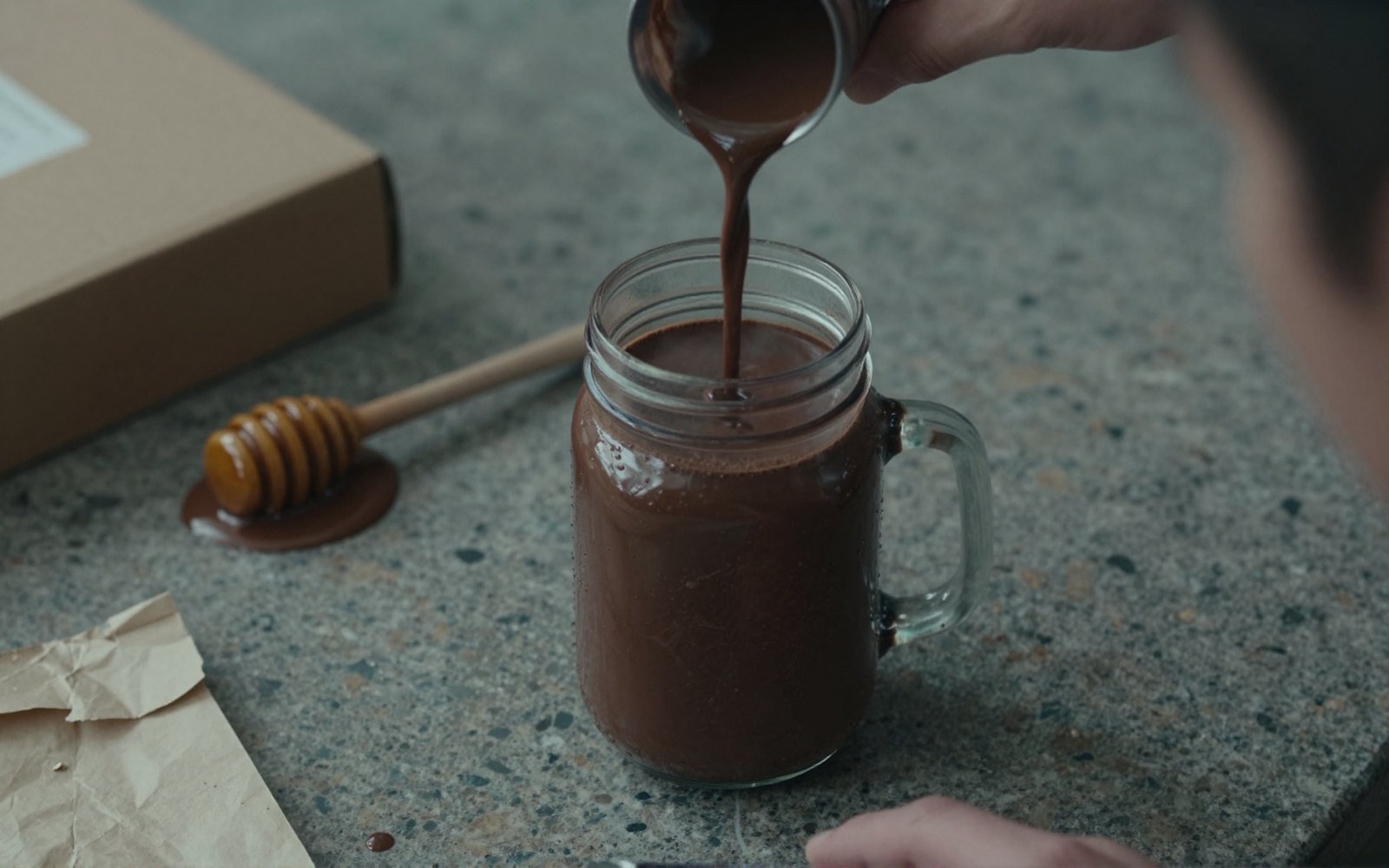 Bark & seed
Classic Hot Chocolate
Mexico
Dark CocoaCreamBark & seed13 mg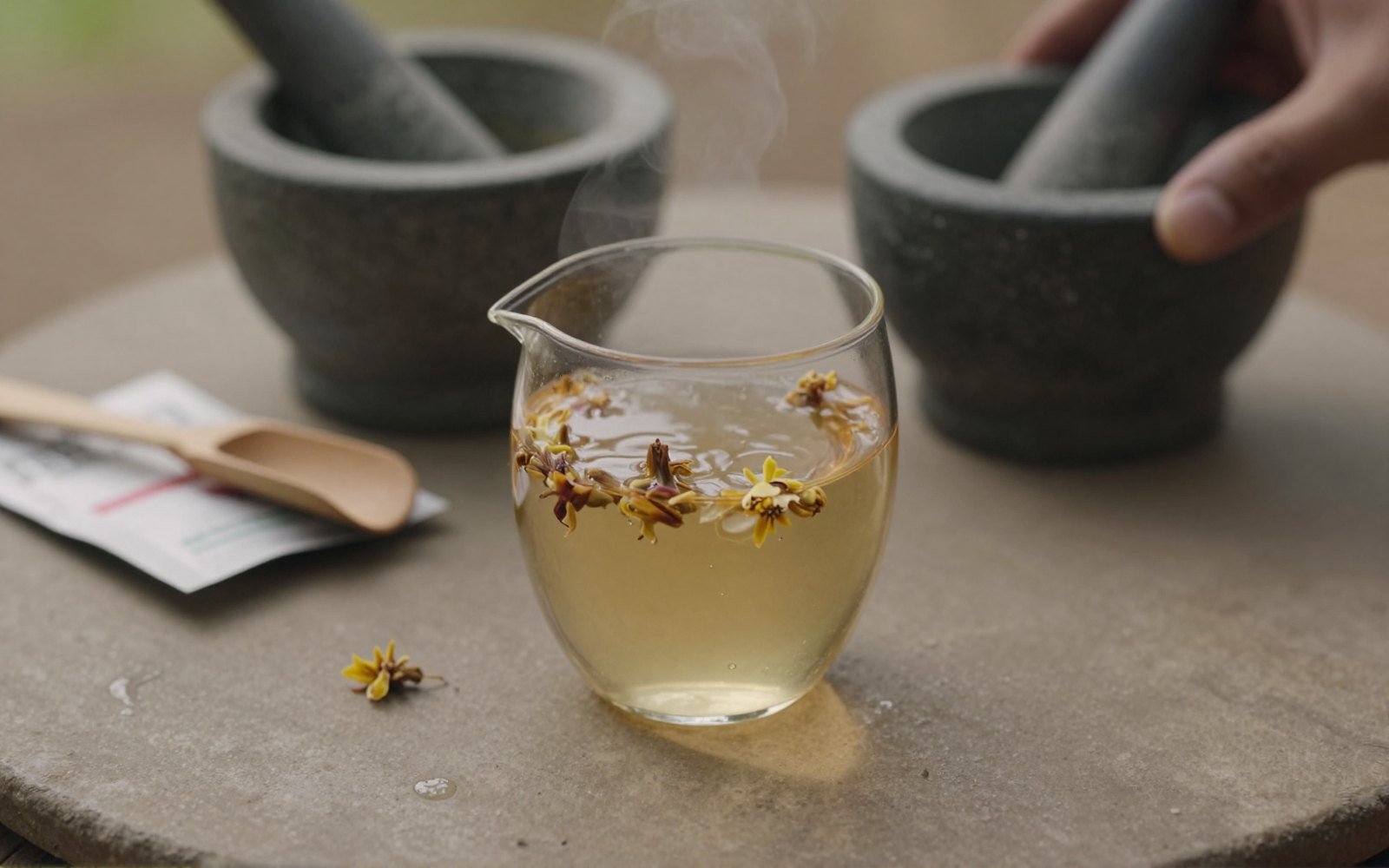 Root & spice
Kava
Vanuatu
EarthyPepperyRoot & spiceCaffeine-free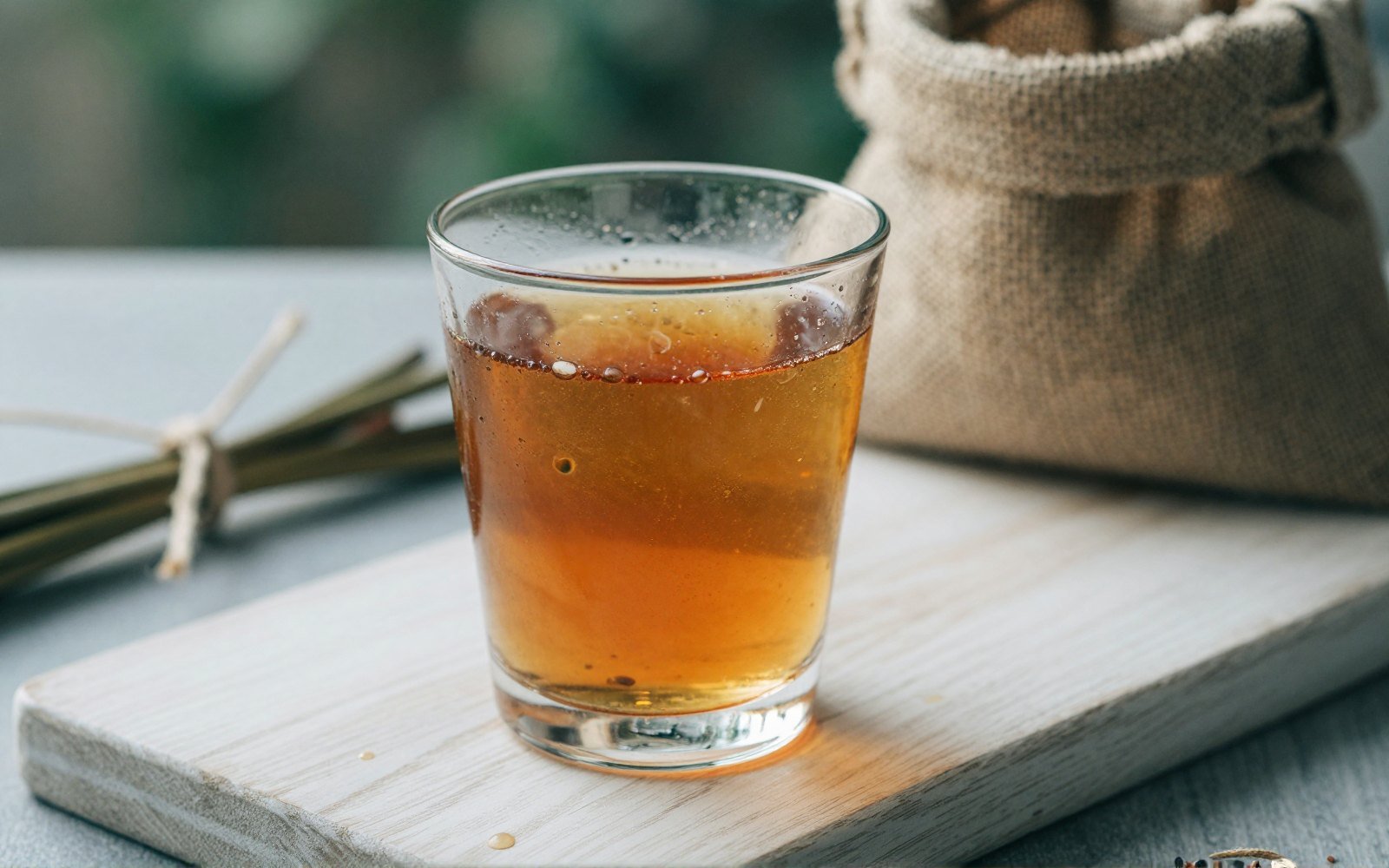 Fruit & berry
Mugicha (Roasted Barley Tea)
Japan
Toasted BarleyNuttyFruit & berryCaffeine-free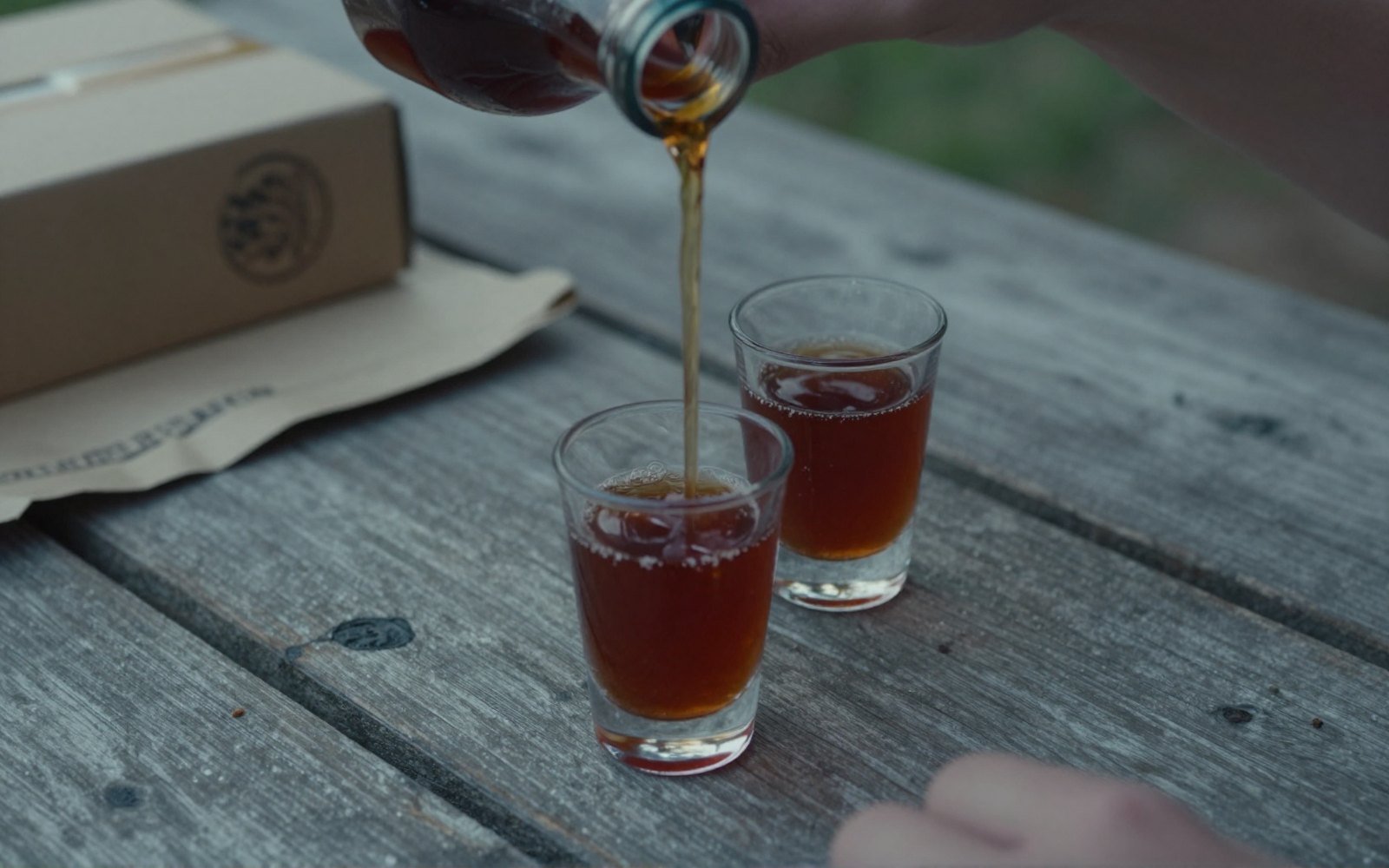 Fermented & cultured
Pineapple Cinnamon Tepache
Mexico
PineappleCinnamonRoot & spiceCaffeine-free
Herbal drinks: common questions
The questions people actually arrive with, answered with figures read from this catalogue rather than rounded off.
- Is herbal tea always caffeine-free?
- Can herbal teas interact with medication?
- Does chamomile actually help you sleep?
- What is the difference between a tisane and a tea?